
Wake Up Calls from Recent Disasters
In just the past year, the world has taken hit after hit. From Pakistan’s unprecedented floods to wildfires encircling southern Europe and record shattering heatwaves across North America, natural disasters no longer follow predictable patterns they’re hitting harder, faster, and across previously unaffected areas. Japan experienced its most powerful typhoon in a decade. Brazil saw over 60% of the Amazon in drought conditions. Libya’s devastating floods in Derna claimed thousands of lives in days.
The frequency isn’t slowing down either. According to the Emergency Events Database (EM DAT), there were over 400 classified natural disasters globally in the last twelve months a jump of nearly 30% compared to the decade average. What’s more telling is the damage they leave behind; 2023 saw over $335 billion in disaster related costs, with climate fueled events accounting for the majority.
Some regions are holding the line. Japan’s strict evacuation protocols kept casualties surprisingly low during Typhoon Khanun. But across the Global South, many countries lack robust defense systems. In places like Madagascar and Honduras, delayed responses and weak infrastructure have turned storms into full scale humanitarian crises.
The warning is clear: climate events are turning the volume up fast and global readiness isn’t keeping pace.
Preparedness Gaps on Display
When disasters strike, systems snap. In the past year, we’ve seen levees buckle under pressure, power grids overloaded and flicker out, and emergency response teams stretched thin or paralyzed altogether. These aren’t rare failures; they’re the cracks showing up again and again, especially in regions long overdue for infrastructure upgrades. Floodplains, urban centers, remote villages it doesn’t really matter. When the systems break, fallout spreads fast.
The gap between wealthier and lower income countries is just as glaring. High income nations often have redundancies: backup generators, layered alert systems, and established evacuation protocols. But even then, response times can lag. In countries with fewer resources, there’s sometimes no cushion at all. A washed out bridge or fried transformer is more than an inconvenience it’s life threatening.
And then there’s misinformation. Bad data, rumors, or silence at the wrong time can cost lives. Some alerts never make it past language barriers or outdated tech. Others get buried in digital noise. The information gap can be as deadly as the natural event itself, leading people to flee the wrong direction or not evacuate at all.
Resilience starts with readiness. Without trusted systems, connected infrastructure, and clear public communication, the next big event will find us flat footed again.
Wildfires: A Harsh Case Study
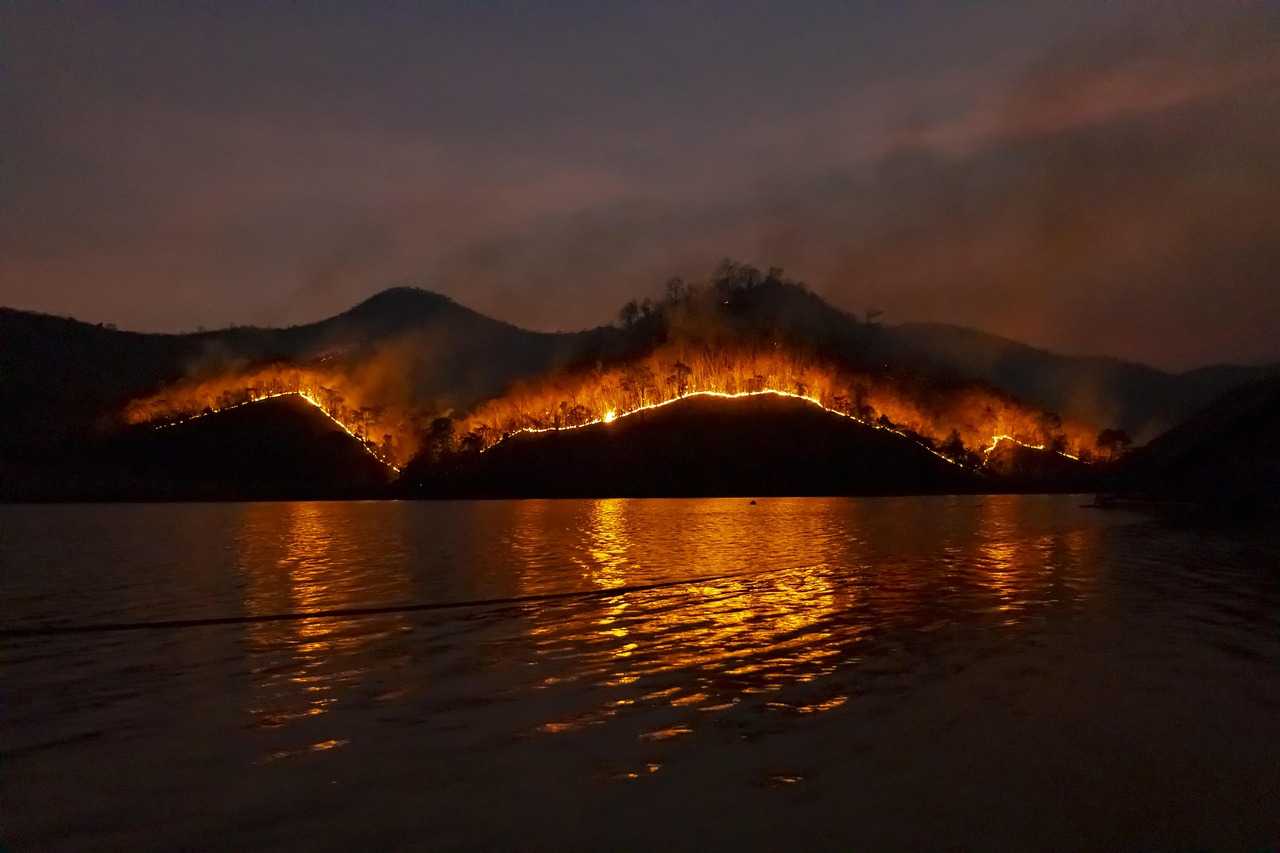
Wildfire seasons aren’t just getting longer they’re getting meaner. Hotter, drier conditions fueled by climate change have turned once manageable fire seasons into relentless, high intensity assaults. Forests are drier, ignition points more frequent, and winds more unpredictable. In some countries, fire season barely ends before a new one begins.
The recent waves of wildfires from southern Europe to the Pacific Northwest laid bare how fragile the current response systems are. We saw everything from delayed evacuations to firefighting crews overwhelmed by simultaneous blazes. In many cases, equipment was outdated and coordination fractured. Even well resourced countries buckled under pressure.
International aid efforts came through in pockets, but global wildfire coordination is still running behind the problem curve. Different regions follow different protocols. Data sharing lags. Firefronts cross borders faster than response teams can keep up. It’s clear the systems in place weren’t built for what we’re seeing now.
Until governments start treating wildfires less like seasonal surprises and more like strategic threats, we’ll keep playing catch up. Resilience starts with admitting the old playbooks don’t work anymore.
Read our full wildfire outbreak analysis
Where We Go From Here
The storms aren’t waiting. Neither should we. As disasters become more frequent and unpredictable, the call for serious investment in climate adaptation isn’t just loud it’s deafening. Flood defenses, early warning networks, fire breaks, and urban cooling infrastructures aren’t luxuries. They’re critical systems that countless regions still underfund, ignore, or delay until it’s too late.
But not everything requires billion dollar programs. Community based readiness can start with clearer evacuation plans, neighbor to neighbor networks, and simple distribution of supplies. These steps can save just as many lives as high tech interventions, especially in places where resources are scarce. The payoff? Faster response, stronger trust, and fewer casualties.
On the tech front, forecasting tools powered by AI and real time satellite data are creating predictive models that blow old systems out of the water. When it comes to knowing when and where danger will strike, better data equals better odds. But tools are only as effective as the people using them.
That’s where training and education come in. Too often, agencies have the gear but not the people who know how to deploy it. From school curriculums to emergency drills and upskilling local officials, the human factor is still the linchpin in disaster readiness. Without that, even the best tools gather dust.
Doing nothing is still a choice it’s just the most dangerous one on the table.
Redefining Readiness
Disasters used to be something we reacted to. Sirens wailed, resources scrambled, and the damage was assessed in hindsight. That mindset no longer flies. In 2024, the shift is clear: resilience means getting ahead of the crisis not chasing it once it hits.
Some regions are already proving the point. Japan integrates seismic early warning systems with public transit and industrial machinery to automatically shut down operations seconds before an earthquake strikes. The Netherlands continues to lead in urban flood infrastructure, using smart barriers and floating housing developments. Both cases offer one clear takeaway: risk management is a system, not a patch.
What works? Planning cycles that adjust in real time, local governments funding grassroots training, and tech integration at scale from AI driven forecasts to satellite triggered evacuations. These aren’t moonshots. They’re scalable, proven, and often underfunded.
And here’s the kicker: no country gets to sit this one out. Wealth doesn’t exempt a region from climate driven floods or fire seasons. And remoteness doesn’t guarantee safety when storms span continents. Proactive readiness isn’t a luxury. It’s the baseline.
 Ask Lucille Parrishelsons how they got into opinion pieces and editorials and you'll probably get a longer answer than you expected. The short version: Lucille started doing it, got genuinely hooked, and at some point realized they had accumulated enough hard-won knowledge that it would be a waste not to share it. So they started writing.
What makes Lucille worth reading is that they skips the obvious stuff. Nobody needs another surface-level take on Opinion Pieces and Editorials, Feature Stories and Interviews, Current Events Highlights. What readers actually want is the nuance — the part that only becomes clear after you've made a few mistakes and figured out why. That's the territory Lucille operates in. The writing is direct, occasionally blunt, and always built around what's actually true rather than what sounds good in an article. They has little patience for filler, which means they's pieces tend to be denser with real information than the average post on the same subject.
Lucille doesn't write to impress anyone. They writes because they has things to say that they genuinely thinks people should hear. That motivation — basic as it sounds — produces something noticeably different from content written for clicks or word count. Readers pick up on it. The comments on Lucille's work tend to reflect that.
Ask Lucille Parrishelsons how they got into opinion pieces and editorials and you'll probably get a longer answer than you expected. The short version: Lucille started doing it, got genuinely hooked, and at some point realized they had accumulated enough hard-won knowledge that it would be a waste not to share it. So they started writing.
What makes Lucille worth reading is that they skips the obvious stuff. Nobody needs another surface-level take on Opinion Pieces and Editorials, Feature Stories and Interviews, Current Events Highlights. What readers actually want is the nuance — the part that only becomes clear after you've made a few mistakes and figured out why. That's the territory Lucille operates in. The writing is direct, occasionally blunt, and always built around what's actually true rather than what sounds good in an article. They has little patience for filler, which means they's pieces tend to be denser with real information than the average post on the same subject.
Lucille doesn't write to impress anyone. They writes because they has things to say that they genuinely thinks people should hear. That motivation — basic as it sounds — produces something noticeably different from content written for clicks or word count. Readers pick up on it. The comments on Lucille's work tend to reflect that.