The Roots of Rebellion
Street art didn’t start with spray paint dreams and Instagram ambitions. It began in the cracks underfunded neighborhoods, ignored alleyways, war zones, and urban dead zones. And in these places, artists didn’t have clean canvases or fancy materials. They had what was left behind: cardboard, broken tiles, old signage, metal scraps, plastic wrappers. Trash wasn’t just available it was a statement.
Using discarded materials was resourceful, but it also made a point. It mirrored the systems that tossed out both objects and people. In the 1970s and ’80s, as consumerism surged and inequality grew more visible, turning junk into art became an act of rebellion. A Coke can wasn’t just litter it was a symbol of excess, of disposable everything. So embedding it in a mural was political. It was critique wrapped in creativity.
For marginalized artists, this approach was survival. Paint costs money. Studio space costs money. But trash? Trash was everywhere. A constant reminder of both exclusion and possibility. The message was quiet but undeniable: even what society rejects can still speak. That’s how street art, built on waste, started fighting back one found object at a time.
For more on how street art became a political voice, explore street art evolution.
Art in the Age of Landfills
Mountains of waste have become the backdrop of modern life. Fast fashion, single use plastics, and throwaway tech pile up faster than we can bury it. But some artists aren’t turning away. They’re turning toward it.
Environmental artists are stepping into this mess, using refuse not just as medium, but as message. Packaging scraps become feathers for phoenix like sculptures; broken electronics are wired into portraits of overconsumption. These creators aren’t glorifying garbage they’re reframing it. They strip consumption down to its bones and rebuild it as commentary. Every installation asks a version of the same question: What are we really throwing away?
The most striking works balance two forces: ugliness and intention. It’s easy to create shock with trash. But the best of this art marries critique with beauty so viewers stop, stare, and think. It’s not subtle. It’s not meant to be. In these hands, waste isn’t silent. It shouts.
And in a world choking on its own output, that voice is overdue.
Stories Behind the Scraps
When trash becomes personal, it stops being just waste. Some of the most compelling art today isn’t painted or carved it’s assembled from the ground up, using broken, burnt, or forgotten materials. Real stories live in these fragments. Brazilian artist Vik Muniz creates portraits using sugar, dirt, and discarded objects, grounding his images in lived experience. Bordalo II, from Portugal, sculpts animals out of plastics and scrap, a jarring mirror held up to our destructiveness. El Anatsui, a Ghanaian artist, transforms cast off bottle caps into massive woven tapestries that shimmer like cloth but carry the weight of colonial trade, consumption, and resilience.
These artists are doing more than recycling materials they’re translating memory, place, and trauma into form. That chair leg isn’t just a prop; it’s a symbol of someone’s story. The soot in a mural might be literal residue from disaster. Found object art isn’t spectacle it’s a kind of autobiography, stitched from what society leaves behind. And in a world flooded with noise and excess, these quiet, deliberate works stand out. They don’t shout. They endure.
From Dismissed to Displayed
What once lived on sidewalks and crumbling factory walls is now under museum lights. Refuse based art once dismissed as outsider or anti establishment has been pulled into the mainstream by curators who are finally paying attention. Galleries and biennales from São Paulo to Venice are showcasing works built from castoffs, extending legitimacy to a medium that thrived in the margins.
But here’s the twist: the art hasn’t changed. The framing has. The same rusted metal, plastic fragments, and scorched textiles now sit behind glass or on spotless floors, and suddenly, audiences look longer. Where they used to see garbage, now they see story social critique, material memory, even fragility.
This shift doesn’t automatically erase the roots of the movement. The strongest artists are holding the line. They’re entering these spaces on their terms, refusing to gloss over the rough edges or rewrite the narrative to make it market palatable. Instead, they use the spotlight to scale impact turning up the volume on the same truths they’ve always told: art doesn’t have to be pretty, just honest.
What’s happening now isn’t selling out. It’s breaking in and bringing generations of invisible work into full view.
The Political Pulse of Materials
Garbage isn’t neutral. It speaks volumes about who matters and who doesn’t. The kind of waste found in a neighborhood, or left to pile up, often tracks closely with social neglect: lack of investment, lack of visibility, lack of political voice. Artists working with trash aren’t just recycling they’re pointing to systems that discard people as easily as they discard plastic wrappers.
These works often carry weight exactly because they weren’t meant to last. And yet, they persist on rundown corners, on gallery walls, across global feeds. Local waste tells local truths. When a Lagos artist builds from e waste, a viewer in Berlin can’t help but connect the dots. This is why trash as medium travels well. It’s universal, even if its source is painfully specific.
On the edge of protest and poetics, garbage art is part of a larger conversation about visibility and worth. These artists aren’t just making a statement they’re flipping the script. For more context on this evolution of street art as political voice, check out the related piece here.
Hope in Every Broken Piece
Trash doesn’t just sit in landfills anymore. It gathers in city plazas, schoolyards, and crumbling alley walls reshaped, reimagined, and reclaimed by communities. Across the globe, artists and everyday people are leading projects that turn waste into shared acts of expression. These aren’t solo gallery statements. They’re built brick by bottle, banner by tire, with neighborhood hands. The art is often temporary, but the impact lingers: ownership, pride, change.
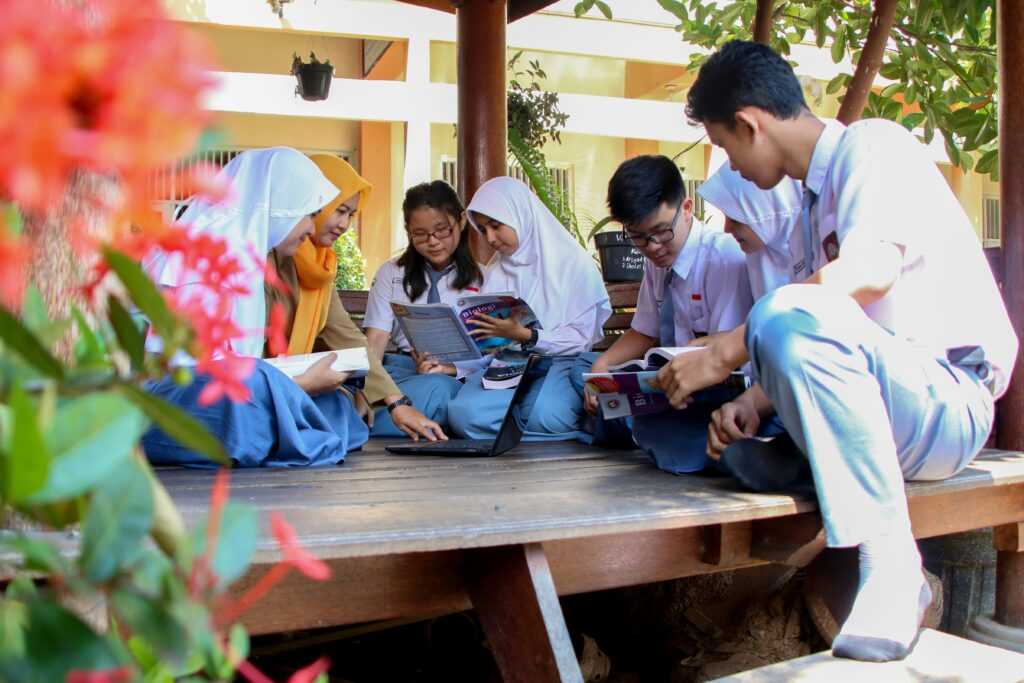
For younger generations, these installations double as teachings. Kids aren’t just learning how to recycle they’re seeing how to transform. In classrooms and community centers, discarded materials turn into lessons about supply chains, ecology, and creative resistance. Art becomes both method and message: sustainability isn’t a buzzword, it’s a skillset.
Looking ahead, refuse based art holds more than memory it holds possibility. It’s not nostalgia for a less wasteful time, but a vision of a world healed by making. There’s a quiet power in choosing hope where most see decay. The future may be built with broken pieces, but it doesn’t have to be broken.
 Howardonny Nicholls is the kind of writer who genuinely cannot publish something without checking it twice. Maybe three times. They came to feature stories and interviews through years of hands-on work rather than theory, which means the things they writes about — Feature Stories and Interviews, Emerging Trends Reporting, Opinion Pieces and Editorials, among other areas — are things they has actually tested, questioned, and revised opinions on more than once.
That shows in the work. Howardonny's pieces tend to go a level deeper than most. Not in a way that becomes unreadable, but in a way that makes you realize you'd been missing something important. They has a habit of finding the detail that everybody else glosses over and making it the center of the story — which sounds simple, but takes a rare combination of curiosity and patience to pull off consistently. The writing never feels rushed. It feels like someone who sat with the subject long enough to actually understand it.
Outside of specific topics, what Howardonny cares about most is whether the reader walks away with something useful. Not impressed. Not entertained. Useful. That's a harder bar to clear than it sounds, and they clears it more often than not — which is why readers tend to remember Howardonny's articles long after they've forgotten the headline.
Howardonny Nicholls is the kind of writer who genuinely cannot publish something without checking it twice. Maybe three times. They came to feature stories and interviews through years of hands-on work rather than theory, which means the things they writes about — Feature Stories and Interviews, Emerging Trends Reporting, Opinion Pieces and Editorials, among other areas — are things they has actually tested, questioned, and revised opinions on more than once.
That shows in the work. Howardonny's pieces tend to go a level deeper than most. Not in a way that becomes unreadable, but in a way that makes you realize you'd been missing something important. They has a habit of finding the detail that everybody else glosses over and making it the center of the story — which sounds simple, but takes a rare combination of curiosity and patience to pull off consistently. The writing never feels rushed. It feels like someone who sat with the subject long enough to actually understand it.
Outside of specific topics, what Howardonny cares about most is whether the reader walks away with something useful. Not impressed. Not entertained. Useful. That's a harder bar to clear than it sounds, and they clears it more often than not — which is why readers tend to remember Howardonny's articles long after they've forgotten the headline.