
What Is Edible Packaging, Really?
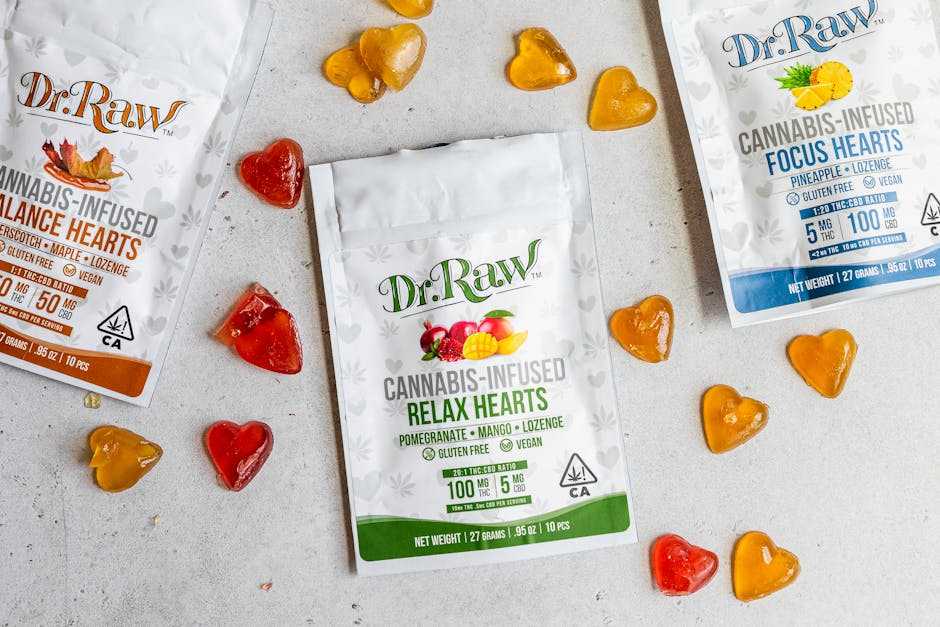
Edible packaging refers to materials designed to both contain food and be safely consumed along with it. Unlike traditional wrappers or containers that are discarded, edible packaging aims to reduce waste by eliminating the need for disposal entirely.
Common Materials Used
A variety of naturally derived substances are being used to create edible packaging. Each material offers unique properties in terms of texture, durability, and taste.
Seaweed: Rich in nutrients and widely available, seaweed films are biodegradable and can be flavored.
Rice Paper: Lightweight and neutral in taste, ideal for wrapping small food portions.
Starches: Derived from sources like potatoes and corn, often used as a base for flexible, dissolvable films.
Gelatin: Used for its thermoformability, useful in packaging items like capsules and candies.
Milk Proteins: Such as casein, which form films that block oxygen better than plastic.
These materials are designed to be safe, digestible, and sometimes even flavorful creating a packaging experience that can enhance the food itself.
How It Compares to Compostable or Biodegradable Packaging
While compostable and biodegradable packaging also aim to reduce environmental harm, they still require disposal and specific conditions to break down:
Compostable packaging often requires industrial composting setups to degrade fully.
Biodegradable packaging can result in microplastics if not processed properly.
Edible packaging, however, eliminates disposal entirely when consumed, assuming it’s handled hygienically and accepted by the consumer.
Real World Examples in Use
Although still an emerging technology, several brands and food services are already incorporating edible packaging:
Coffee cups with wafer or cookie linings that double as a snack.
Edible spoons and cutlery made from grains or pulses.
Burger wraps made from rice paper used at eco conscious food festivals.
Sauce pods made from seaweed that dissolve in hot water or can be eaten directly.
These early examples show that edible packaging offers creative solutions especially when aligned with convenience, functionality, and sustainability.
The Promise: Zero Waste Convenience
At its core, edible packaging is gunning straight at one of society’s ugliest habits: single use plastics. Instead of tossing another wrapper in the trash, you eat it or at least, it harmlessly breaks down if you don’t. Seaweed based films, rice paper shells, and even edible water pods are entering the scene as low waste alternatives that disappear with minimal fuss.
This isn’t just about cleaner conscience, either. In fast paced environments like concerts, festivals, or high volume fast food, edible packaging can cut down on both waste and cleanup logistics. Imagine a food truck where the only thing left behind is a few napkins. For staff, it’s fewer bins to empty. For organizers, it’s lower disposal fees. Cleaner events, faster service, less footprint.
And while the tech is still fresh, it’s evolving fast. Companies are engineering edible materials to dissolve into soil or water without a trace, even if customers don’t bite. That’s a step forward for oceans and landfills alike, where typical packaging lingers for decades.
It’s not a silver bullet but it could be a serious tool in the fight against waste, especially when paired with smart design and practical use cases.
Roadblocks to Widespread Adoption
While edible packaging holds zero waste appeal, several significant challenges stand in the way of its mainstream success. From safety to scalability, the current limitations raise critical questions for producers, regulators, and consumers alike.
Fragile Shelf Life and Food Safety
Edible packaging is, by nature, perishable. This creates logistical and regulatory complications:
Limited shelf stability: Many edible materials degrade quickly, especially in humid or high temperature environments.
Risk of contamination: Unlike traditional packaging, edible versions must meet both packaging and food safety regulations.
Storage complexity: Extra care is needed in transit and retail to maintain hygiene and freshness.
These concerns aren’t just technical they shape how retailers and consumers perceive the practicality and reliability of edible packaging.
Texture, Taste, and the Palate Problem
Not all packaging should be eaten and many consumers treat it like a novelty rather than a feature. Sensory experience plays a huge role:
Texture mismatches: Some materials feel too thick, soggy, or brittle to be appealing.
Flavor clashes: Unless neutral or complementary, packaging can interfere with the taste of the food it’s meant to contain.
Psychological barriers: Many people feel uncertain or outright repelled at the idea of eating their food wrappers.
Consumer education and aesthetically conscious design are essential to winning hearts (and stomachs).
Scaling Up: The Cost Challenge
While promising in concept, edible packaging remains expensive to produce at scale. Key concerns include:
Higher raw material cost: Edible grade ingredients often cost more than synthetic plastics.
Low production efficiency: Many edible materials aren’t yet optimized for mass manufacturing.
Barrier for small producers: With slim margins and limited capital, small food businesses face a tough decision sustainability or solvency?
Until infrastructure and demand improve, the economics of edible packaging may push it into niche rather than mainstream use.
Is It Really Sustainable?
At first glance, edible packaging sounds like a no brainer. You eat your snack, and the wrapper vanishes zero waste, right? Not quite. When you dig into the life cycle analysis, things get murkier. Compared to recyclable or compostable options, edible packaging often requires more intensive production. Farming seaweed, processing starches, or shaping gelatin films takes energy, water, and land inputs that can cancel out some of the environmental payoff, especially if the packages aren’t actually consumed (which happens more often than you’d think).
In contrast, recyclable packaging when handled correctly has infrastructure behind it. It’s not perfect, but curbside systems and industrial composting offer some scale. Edible packaging, on the other hand, adds a behavioral variable: people have to choose to eat it, or it becomes regular food waste. That’s a risk not every region is ready to manage.
Production inputs raise other questions. Are we diverting food grade materials from hungry populations to make wrappers? In regions where food insecurity is real, that trade off matters. Some edible packaging proponents argue that the materials used like cassava or seaweed aren’t staples. Still, the energy to produce, preserve, and distribute them stacks up.
Then there’s the question of context. In developed markets with existing waste streams, edible packaging may feel like a novelty unless it solves a real pain point. But in developing food systems, where waste collection is spotty or nonexistent, packaging that simply disintegrates or better yet, gets eaten might be a smarter fit. That said, affordability and cultural norms will ultimately decide its place in the system. The tech is promising, but the sustainability math isn’t always as clean as the marketing.
The Marketing Layer: Greenwashing or Real Impact?
“Edible” sounds clean, clever, and responsible. But sometimes it’s just a flex for the label. As sustainability becomes a selling point, some brands have started slapping the term on anything remotely consumable regardless of whether it actually breaks down harmlessly in your gut (or even tastes remotely tolerable).
The truth is, there’s no universal standard for what qualifies as edible packaging. That means companies can use the word fairly loosely. A starch based film might technically be digestible, but that doesn’t mean you’d actually want to eat it or that it delivers any real environmental benefit over compostable options. This is where transparency and third party certification matter. If it’s USDA bio based or carries a verified sustainability claim, consumers can at least trace the impact beyond the marketing.
Still, most people have no clue what they’re biting into if they bite at all. Some “edible” packaging requires special storage. Others contain additives to preserve shelf life. And a good chunk of consumers mistakenly believe that if it’s edible, it just disappears if discarded. Spoiler: it doesn’t. In the absence of proper infrastructure or education, a lot of this so called eco packaging still ends up in the trash, if not the ocean.
Clarity beats hype. For edible packaging to actually deliver on its promise, brands need to go beyond buzzwords and treat consumers like partners, not just shoppers.
Fitting Into the Bigger Sustainability Picture
Edible packaging sounds good on paper. Less trash, less guilt, maybe even a novelty bite with your snack. But when you stack it up against the principles of the localized food movement, things get more complicated. Local food systems are about shortening supply chains, reducing dependency on global logistics, and building resilience from the ground up. Edible packaging, in many of its current forms, hasn’t caught up to that philosophy yet.
Take materials like seaweed or rice paper. While innovative, they’re often grown, processed, and shipped from across the world exactly the kind of global footprint that localized models aim to eliminate. For edible packaging to truly align with regional food sovereignty, sourcing needs to be local, regenerative, and transparent. Few operations are doing that at scale.
That’s where decentralization comes in. If community food systems could integrate packaging production say, using surplus produce, local starches, or waste byproducts edible wrappers could shift from a niche luxury to a logical next step in zero waste local food. Small producers and co ops could lead the way, customizing materials based on climate and crop conditions.
Right now, edible packaging is more global novelty than local necessity. But a future where it’s farmed, formed, and consumed in the same region? That could be the manufacturing and sustainability win people are waiting for.
What to Watch Next
Startups Pushing the Boundaries
Innovation in edible packaging isn’t slowing down startups around the world are experimenting with new materials and formats that go beyond gimmicks. From edible cutlery made with lentils to seaweed based films holding soups and smoothies, the scope of possibilities is expanding.
Seaweed and algae blends for flexible, water retentive wraps
Grain based films that add texture or flavor to food
Multi layered edible packaging designed to preserve freshness like traditional plastic
These emerging technologies are making edible packaging more versatile and temperature resilient, helping it compete with mainstream materials in real world scenarios.
Evolving Regulations and Safety Standards
As edible packaging enters new markets, the need for clear regulations becomes urgent. Food safety, hygiene, and labeling are key concerns regulators are beginning to address to build consumer trust.
Definitions of food grade packaging vary between countries and regions
Allergen labeling and contamination risks must be clarified
New policies may require third party safety verification before market introduction
Ongoing discussions around global food standards will shape whether edible packaging becomes a niche or the norm.
A Shift in Packaging Philosophy
Perhaps the most exciting development isn’t technology but perspective. As food designers and environmentalists push boundaries, there’s a conceptual shift underway: packaging is no longer a throwaway it becomes part of the meal experience.
Rethinking packaging as flavored, textured, or functional parts of a dish
Collaborations with chefs to design wraps that complement the food’s taste
Local cultural foods inspiring edible packaging tailor made for traditional dishes
This reimagining could usher in a new generation of sustainable packaging that’s not just eco conscious, but also creatively integrated into cuisine.
In the evolving landscape of sustainability, edible packaging isn’t just about what it replaces but how it redefines what packaging can be.