
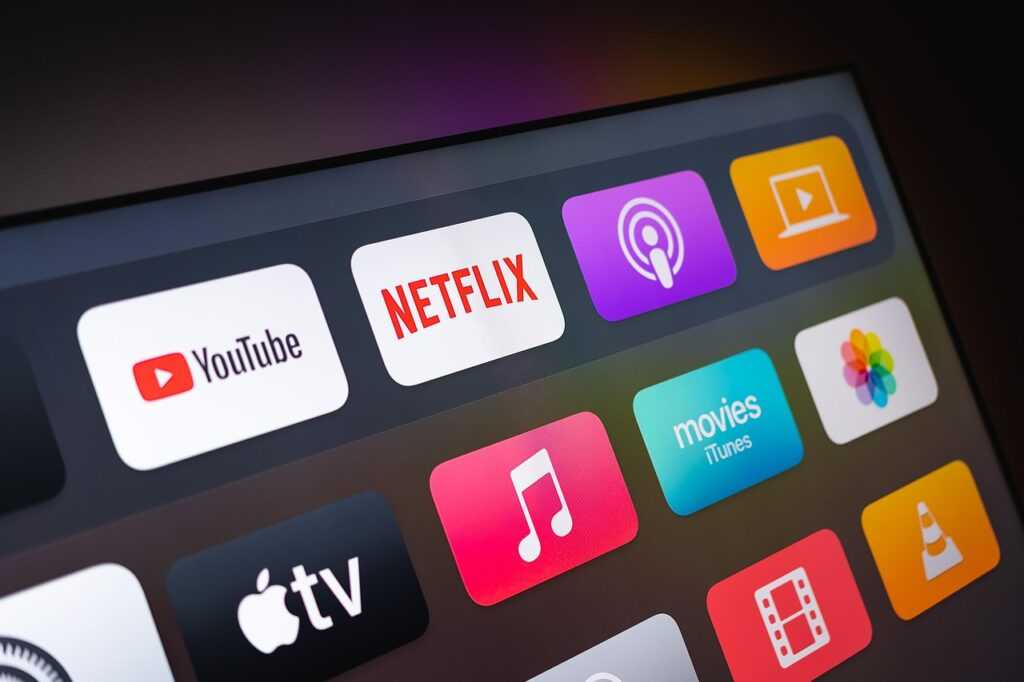
Shifting the Story: The Global Impact of On Demand Media
Streaming Without Borders
Streaming platforms like Netflix, Prime Video, and Disney+ have reshaped how stories travel across the globe. Once region locked or dependent on syndication deals, content now leaps borders instantly. This fluidity has redefined what it means for a series or film to go “global.”
International content is accessible to anyone with a subscription
Viewers are no longer limited to domestic or Hollywood produced options
Cultural storytelling is more widely exported than ever before
Local Stories, Global Hits
Some of the most talked about shows in recent years didn’t come from Hollywood they came from Madrid and Seoul. Local productions are finding massive international audiences, and in doing so, are rewriting what global success looks like in entertainment.
Key Examples:
Money Heist (Spain): a niche Spanish show turned worldwide phenomenon
Squid Game (South Korea): a culturally embedded story that sparked global debate and imitation
Lupin (France), Fauda (Israel), and Sacred Games (India) leading regional storytelling with global impact
These shows aren’t just popular; they’re shifting influence and expectation around the world.
Hollywood’s Waning Grip
For much of the 20th century, Hollywood dictated both the form and content of global entertainment. Today, that dominance is being challenged by creators from every continent.
Global streaming removes Hollywood’s gatekeeping power
Cultural nuance and unique regional sensibilities are shaping mainstream trends
Viewers are increasingly drawn to stories that feel authentic, regardless of origin
Why It Matters:
It diversifies the kinds of stories being told on the world stage
It amplifies perspectives that were previously sidelined
It decentralizes influence, giving new voices the power to define cultural relevance
Cultural Hybrids in the Spotlight
Streaming has thrown the rulebook out the window. The lines between genres are blurring fast Korean thrillers with rom com threads, Mexican dramas with sci fi twists, Nordic noir crossing into dark comedy. Creators today are less interested in rigid formulas and more focused on telling stories that feel layered, unexpected, and emotionally real. Platforms are giving this experimentation space to breathe, and audiences are tuning in.
What’s surprising is how common the underlying themes are. No matter the country of origin, stories are circling around identity crises, generational tensions, and the long tail of injustice whether it’s a legal fight, class struggle, or reckoning with the past. The specifics are local, but the emotions hit global. It’s no longer about telling one country’s story to the world it’s about tapping into a universal nervous system.
All of this is reshaping what audiences expect. Viewers now want narratives that stretch across boundaries linguistic, cultural, and structural. The old format grids don’t hold up anymore. Cross cultural storytelling isn’t a niche gimmick it’s becoming the standard. Shows don’t need to be in English or follow Western arcs to be binge worthy. They just need to feel human, alive, and unexpected. That’s the bar now.
Power of Algorithms in Shaping Taste

You’re probably watching a crime thriller from Denmark, a romance from Korea, and a docuseries from Argentina not because you searched for them, but because your platform decided you’d like them. And it was right. Streaming algorithms have evolved beyond simple personalization; they now push content that aligns with global viewing trends, emotional tones, and niche interests, even if it’s in a language you don’t speak.
This blend of cultural exposure and machine led curation is changing what gets watched and what doesn’t. Algorithms prioritize engagement: if a sizable group clicks, rewatches, or finishes a foreign show, the system flags it as resonating, and suddenly, it’s showing up everywhere. That’s how stories from halfway around the world start trending in your living room.
But here’s the pivot. It’s no longer just about “relevant” content what fits your usual watchlist. It’s about “resonant” stories those that feel real, compelling, or emotionally sharp regardless of origin. Platforms are adapting, feeding users more of what stirs a deeper connection, even if it wasn’t the obvious choice.
Curious how all this works under the hood? Explore more: algorithms and culture
Subtitles, Dubbing & Language Liberation
Streaming has dissolved language barriers faster than any classroom or travel guide ever could. Subtitles are the new norm, and dubbing isn’t just a backup plan anymore it’s an art form. The global viewer isn’t just tolerating foreign languages; they’re expecting them. In 2024, it’s standard to watch a Korean drama with English subtitles in São Paulo or a Spanish docu series dubbed in Hindi in Mumbai.
But quality matters. Flat, careless dubbing pulls viewers out of the story. Today, dubbing is being held to a higher creative standard one that respects cadence, emotion, and cultural context. When done right, dubbing is not just a translation; it’s a localized performance. It says, “We see you, and we think your language, your tone, your emotional rhythms deserve full treatment not just lip flap syncing.”
Audiences are also becoming more open to nuance. A slightly offbeat idiom, a cultural reference that lands differently these don’t trigger confusion or pushback like they used to. Instead, they spark curiosity. More people are open to learning through watching, rather than needing a seamless cultural conversion. It’s no longer about making global content ‘universal’ it’s about letting it be specific, and trusting the audience to follow.
Rewriting Narratives from the Margins
Streaming platforms used to chase the safest bets big names, familiar formats, culturally dominant perspectives. That’s over. In 2024, the appetite for fresh, unfiltered voices is rising fast, and streamers are finally backing it with action. Indigenous creators, LGBTQ+ storytellers, and filmmakers across the Global South are getting more than just token slots. They’re stepping into the driver’s seat with budgets, creative control, and leadership roles on and off camera.
This is more than just surface level representation. Authenticity is the new currency. Viewers can smell a fake from a mile away, and platforms know it. The strongest releases are coming directly from underrepresented communities, not filtered through a Hollywood lens. Think native languages, real casting, and stories shaped from within, not about them from the outside.
This trend isn’t niche anymore. It’s reshaping what’s considered marketable, and redefining global storytelling in the process. What used to be “fringe” now tops global charts and not by accident. Streamers are finally listening, and audiences are all in.
Future of Global Identity Through Streaming
Streaming as a Cultural Mirror and Export Tool
Streaming platforms have become more than just entertainment providers they now serve as powerful mirrors reflecting global societies and as tools for cultural export. When a show made in one country gains traction worldwide, it doesn’t just entertain it educates and introduces audiences to new norms, traditions, and perspectives.
International hits showcase local life in a globally accessible format
Culture specific dialogue, environments, and issues build understanding across borders
Producers are no longer just targeting domestic viewers the world is the audience
Fostering Global Empathy Through Shared Stories
Can watching a series from another country truly deepen empathy? Increasingly, the answer is yes. Storylines exploring love, struggle, injustice, or triumph often resonate universally, regardless of setting.
Themes like migration, social divides, and generational conflict create common ground
Emotionally compelled storytelling offers a human lens instead of a geopolitical one
Audiences find both differences and shared values when engaging with global media
Navigating Algorithm Bias and Cultural Flattening
However, it’s not all seamless connection. Algorithms shape what we see, often reinforcing stereotypes or promoting only the most “global ready” versions of culture. As platforms prioritize engagement, they can water down unique voices in favor of broad appeal.
Algorithm driven exposure can sideline less “marketable” stories
Risk of cultural flattening when diversity becomes a marketing tool rather than a value
The more conscious viewers and creators are, the more authentic the cultural exchange becomes
Further Reading: Algorithms and Culture
 Howardonny Nicholls is the kind of writer who genuinely cannot publish something without checking it twice. Maybe three times. They came to feature stories and interviews through years of hands-on work rather than theory, which means the things they writes about — Feature Stories and Interviews, Emerging Trends Reporting, Opinion Pieces and Editorials, among other areas — are things they has actually tested, questioned, and revised opinions on more than once.
That shows in the work. Howardonny's pieces tend to go a level deeper than most. Not in a way that becomes unreadable, but in a way that makes you realize you'd been missing something important. They has a habit of finding the detail that everybody else glosses over and making it the center of the story — which sounds simple, but takes a rare combination of curiosity and patience to pull off consistently. The writing never feels rushed. It feels like someone who sat with the subject long enough to actually understand it.
Outside of specific topics, what Howardonny cares about most is whether the reader walks away with something useful. Not impressed. Not entertained. Useful. That's a harder bar to clear than it sounds, and they clears it more often than not — which is why readers tend to remember Howardonny's articles long after they've forgotten the headline.
Howardonny Nicholls is the kind of writer who genuinely cannot publish something without checking it twice. Maybe three times. They came to feature stories and interviews through years of hands-on work rather than theory, which means the things they writes about — Feature Stories and Interviews, Emerging Trends Reporting, Opinion Pieces and Editorials, among other areas — are things they has actually tested, questioned, and revised opinions on more than once.
That shows in the work. Howardonny's pieces tend to go a level deeper than most. Not in a way that becomes unreadable, but in a way that makes you realize you'd been missing something important. They has a habit of finding the detail that everybody else glosses over and making it the center of the story — which sounds simple, but takes a rare combination of curiosity and patience to pull off consistently. The writing never feels rushed. It feels like someone who sat with the subject long enough to actually understand it.
Outside of specific topics, what Howardonny cares about most is whether the reader walks away with something useful. Not impressed. Not entertained. Useful. That's a harder bar to clear than it sounds, and they clears it more often than not — which is why readers tend to remember Howardonny's articles long after they've forgotten the headline.