Shifting Power Through the Ballot Box
The 2024 2025 election stretch isn’t just a busy season it’s a potential inflection point for global politics. More than 60 countries are set to hold national elections, including heavyweights like the United States, India, and key EU states. Each vote cast will shape not just domestic agendas but how governments position themselves on the world stage.
What makes this cycle different is how local decisions are becoming regional and even global levers. National mandates on issues like trade, immigration, defense, and energy are welded to alliance commitments. A voter in Wisconsin or West Bengal could, through their choice, influence whether a country leans more toward cooperation or isolation. That ripple effect is already taking shape, driving recalibrations in existing partnerships and sending quiet signals to rivals and allies alike.
In short: don’t let the ballot box feel smaller than it is. This cycle, the stakes are layered, the consequences cross borders, and the aftershocks might redraw more than a few lines on the geopolitical map.
High Stakes Elections to Watch
Some elections echo beyond their borders. In 2024 and 2025, the ballots cast in the U.S., India, and across a reshuffling EU won’t just redefine domestic policy they’ll redraw the global playbook. Each of these regions anchors key alliances and trade frameworks. A shift in leadership or ideology doesn’t just change tone; it alters treaties, defense commitments, supply chains, and multilateral initiatives.
In the U.S., which way voters lean determines whether allies continue to see a reliable partner or a transactional one. India, the world’s largest democracy and a vital geopolitical swing state, is navigating tension between economic liberalism and rising nationalism. Meanwhile, EU member states are contending with continued fragmentation, partly driven by nationalist and populist movements gaining ground in countries like Italy, Hungary, and the Netherlands.
Why does that matter? Because when nationalism rises, cooperation usually contracts. Defense pacts, climate accords, migration policy these all become harder to negotiate. Alliances start to wobble.
On the flip side, there’s the youth vote. Voters under 35 are entering electorates with different expectations than their predecessors: more globally minded, less patient with status quo diplomacy, and digitally fluent enough to challenge official narratives in real time. In short: more connected, but also more unpredictable.
As these young voices grow louder, they could tip the balance toward leaders who prioritize climate action, internationalism, and progressive tech regulation or toward those who reject existing norms altogether. Either way, the ripple effects won’t stop at national borders.
Regional Alliances in Motion
Global alliances aren’t set in stone. They shift, stretch, and sometimes crack especially during election cycles. In 2024 2025, big questions are resurfacing inside blocs like NATO, ASEAN, and the African Union. With national elections across key member states, the internal rhythms of these groups are at risk of disruption.
In NATO, simmering tensions between defense spending commitments and national priorities could push some members to rethink their alignment, especially if more isolationist or populist leadership takes hold. ASEAN is juggling pressure from internal disparities and external influences China’s presence, U.S. diplomacy while dealing with varying political systems across its member countries. And the African Union faces governance concerns that become more pronounced as leaders either cling to power or face reformist challengers.
The underlying theme? Balance. Integration offers stability, trade, and collective clout but it also demands surrendering a slice of sovereignty. That tradeoff becomes a lightning rod during elections, especially when nationalist rhetoric gains traction.
Meanwhile, smaller or strategically placed states are pivoting. Some are reassessing old loyalties, watching to see which partners seem most stable post election. Others are playing both sides more openly, using the uncertainty to maximize short term gains.
All eyes are on who wins, but for alliances, it’s how those wins translate into policy that could redraw the map politically, economically, and militarily.
Influence of Global Institutions
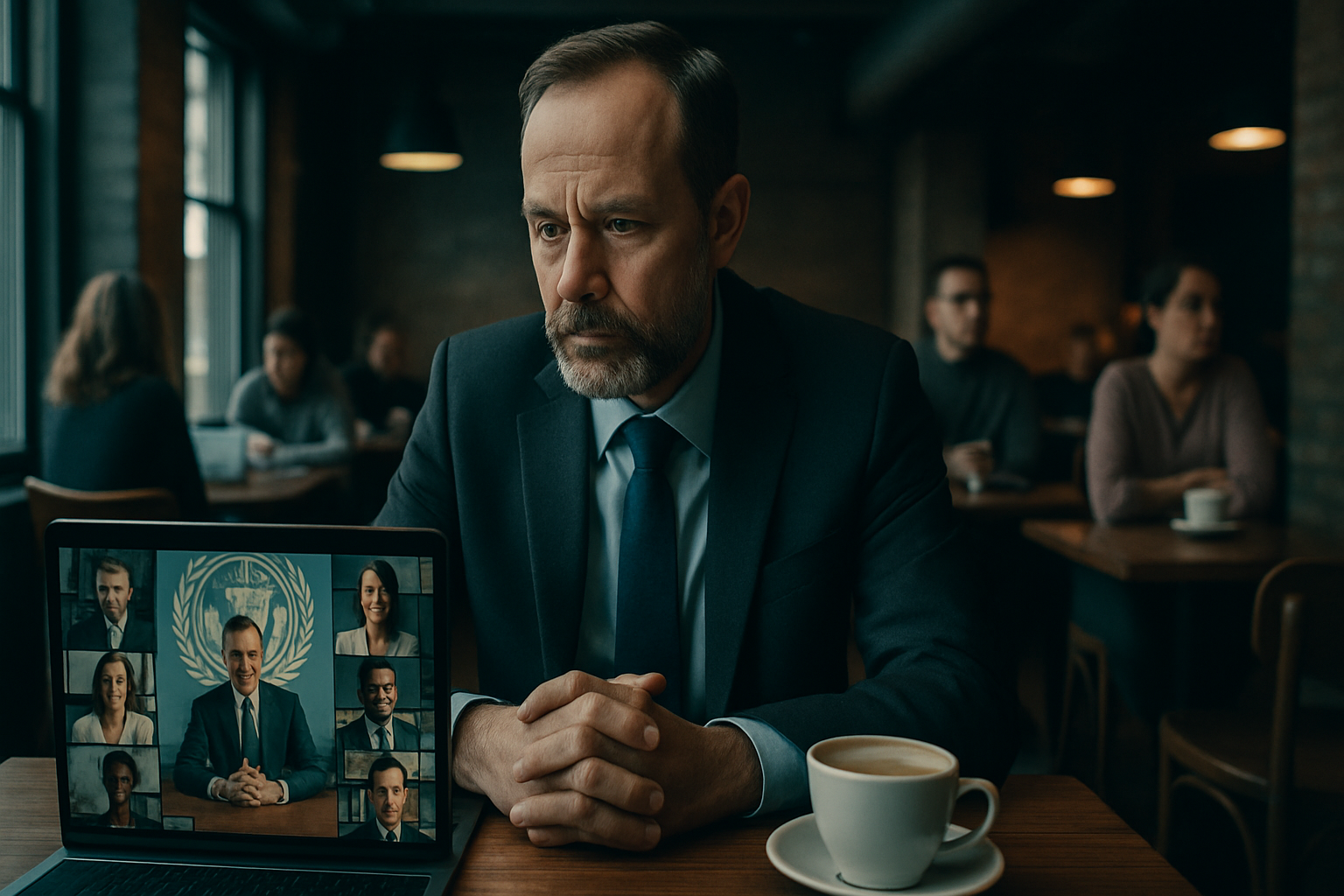
Election results don’t just redirect domestic policy they redraw global lanes. As countries vote in new leaders, engagement with institutions like the UN, IMF, and WTO often shifts accordingly. Multilateralism, once seen as table stakes for legitimacy, is now a negotiation point. Some governments are doubling down on global cooperation. Others, sharpened by nationalism or fiscal pressure, pull back, recalibrate, or renegotiate terms.
The United Nations is a prime arena for the fallout. Recently, even procedural votes in the General Assembly have revealed divides between countries embracing institutional cooperation and those using abstention or silence as geopolitical signals. In moments like these, you can see what’s next: whether nations lean in together or start leaning out. For a deeper look, the UN updates breakdown offers telling details.
It’s not just about seats at the table; it’s about what counts as collaboration now. Some leaders are reimagining alliance building through tech, trade corridors, even cultural diplomacy less Geneva, more geo strategy. The old playbook of formal treaties and scenic group photos is giving way to agile coalitions carved by shared interest, not just shared history.
Flashpoints & Fragile Coalitions
Election cycles across high tension regions are forcing coalitions to adapt fast or fracture entirely.
The Middle East remains a balancing act on a fault line. From Israel to Iraq, shifting political winds often driven by new electoral mandates or stagnant governments are testing old coalitions. In Israel, another potential election could recalibrate the balance between hardline and centrist blocs, heavily impacting both domestic policy and regional military alliances. In Lebanon and Iraq, factional politics continue to muddy efforts at broader coalition unity. Electoral outcomes are injecting fresh turbulence into relationships between Sunni majority states, Iran, and emerging players like Turkey each pushing their interests more aggressively amid perceived power vacuums.
In the Asia Pacific, Taiwan’s recent elections and Beijing’s response have reset the tone of regional diplomacy. Taiwan’s electorate resisted pressure by choosing a pro autonomy government, prompting China to respond with heightened rhetoric and military exercises. This, in turn, pulls the U.S. closer and other nations like Japan and Australia into a more assertive security posture. What used to be a balancing game is now shaping into hard lines, and elections are now frontline triggers for strategic recalculations.
Latin America swings back into political flux, with voters across Brazil, Argentina, and Mexico moving the pendulum between populist left and pro market right. Each shift resets the calculus for economic integration and diplomacy. Take the Mercosur trade bloc: a left leaning Brazil may reinvest in regional unity, while a more conservative Argentina might call for looser ties. Domestic swings are no longer just national they echo through broader trade and security frameworks.
Each of these regions brings its own volatility. But across the board, elections aren’t just replacing leaders they’re redrawing the grid of global alliances.
The Long Game of Diplomacy
Alliances rarely dissolve with a single ballot. Most realignments develop in the quiet spaces between elections through subtle messaging, strategic visits, off the record summits. That’s why early signs matter. How a candidate frames NATO in a stump speech, or whether a government sends a mid level adviser to a rival’s trade event these moves often foreshadow deeper shifts.
In the lead up to major elections, ambiguity becomes a tool. Nations hedge bets. Candidates talk about “rebalancing” rather than naming names. It’s not indecision it’s leverage. Strategic ambiguity gives breathing room, allowing future governments to move in either direction depending on how election winds blow.
Behind the scenes, think tanks and policy forums start laying the groundwork. Shadow diplomacy quiet diplomatic outreach by former officials, lobbyists, or academics fills the void. While it’s not official, it’s often where real consensus builds. These informal backchannels are watching polls, reading platforms, and shaping talking points before the votes are even cast.
The message is clear: don’t wait for inauguration day to pay attention. The groundwork for shifts in global alignment is already in motion, and those reading between the lines are the ones who won’t be caught off guard.
Reading the Tea Leaves
In the lead up to major elections worldwide, subtle cues in campaign rhetoric and national discourse can offer early insights into how global alliances might shift. While much of the focus tends to be on domestic concerns, foreign policy language and even its absence speaks volumes about what’s to come.
Foreign Policy on the Campaign Trail
Candidates often use foreign policy talking points to signal broader geopolitical leanings, and elections in 2024 2025 are no exception.
Watch for:
Clear alliances or adversarial tones when countries like China, Russia, or the U.S. are mentioned
Repeated references to strategic partnerships, military alignments, or trade agreements
Language around sovereignty, national interest, or integration
These signals can foreshadow whether a country will strengthen or step back from existing alliances.
When the Economy Drives Diplomacy
Domestic economic pressures have a direct impact on how incoming governments shape foreign alliances. From inflation and unemployment to energy policy and supply chains, national priorities often determine international commitments.
Economic issues that ripple into foreign relations:
Energy dependence: Will new leaders push for energy security through regional partnerships?
Trade deficits: Are there calls for trade protectionism or new bilateral deals?
Fiscal stability: How might budget constraints influence defense spending or aid commitments?
A Multilateral Lens: The UN as a Barometer
One useful lens in analyzing these shifts comes from observing changes at global institutions like the United Nations. As detailed in this UN updates breakdown, recent General Assembly sessions show how newly elected governments are adjusting diplomatic stances.
What to note in UN engagement post elections:
Voting records and public speeches on global issues such as climate, migration, and conflict
Shifting support for multilateral agreements or resolutions
Participation levels and diplomatic tone at international forums
By examining how foreign policy messages evolve during campaigns and how they translate into action analysts can begin to forecast whether traditional alliances will hold firm or fracture in the years after the ballot box.
 Howardonny Nicholls is the kind of writer who genuinely cannot publish something without checking it twice. Maybe three times. They came to feature stories and interviews through years of hands-on work rather than theory, which means the things they writes about — Feature Stories and Interviews, Emerging Trends Reporting, Opinion Pieces and Editorials, among other areas — are things they has actually tested, questioned, and revised opinions on more than once.
That shows in the work. Howardonny's pieces tend to go a level deeper than most. Not in a way that becomes unreadable, but in a way that makes you realize you'd been missing something important. They has a habit of finding the detail that everybody else glosses over and making it the center of the story — which sounds simple, but takes a rare combination of curiosity and patience to pull off consistently. The writing never feels rushed. It feels like someone who sat with the subject long enough to actually understand it.
Outside of specific topics, what Howardonny cares about most is whether the reader walks away with something useful. Not impressed. Not entertained. Useful. That's a harder bar to clear than it sounds, and they clears it more often than not — which is why readers tend to remember Howardonny's articles long after they've forgotten the headline.
Howardonny Nicholls is the kind of writer who genuinely cannot publish something without checking it twice. Maybe three times. They came to feature stories and interviews through years of hands-on work rather than theory, which means the things they writes about — Feature Stories and Interviews, Emerging Trends Reporting, Opinion Pieces and Editorials, among other areas — are things they has actually tested, questioned, and revised opinions on more than once.
That shows in the work. Howardonny's pieces tend to go a level deeper than most. Not in a way that becomes unreadable, but in a way that makes you realize you'd been missing something important. They has a habit of finding the detail that everybody else glosses over and making it the center of the story — which sounds simple, but takes a rare combination of curiosity and patience to pull off consistently. The writing never feels rushed. It feels like someone who sat with the subject long enough to actually understand it.
Outside of specific topics, what Howardonny cares about most is whether the reader walks away with something useful. Not impressed. Not entertained. Useful. That's a harder bar to clear than it sounds, and they clears it more often than not — which is why readers tend to remember Howardonny's articles long after they've forgotten the headline.