
The Problem She’s Solving
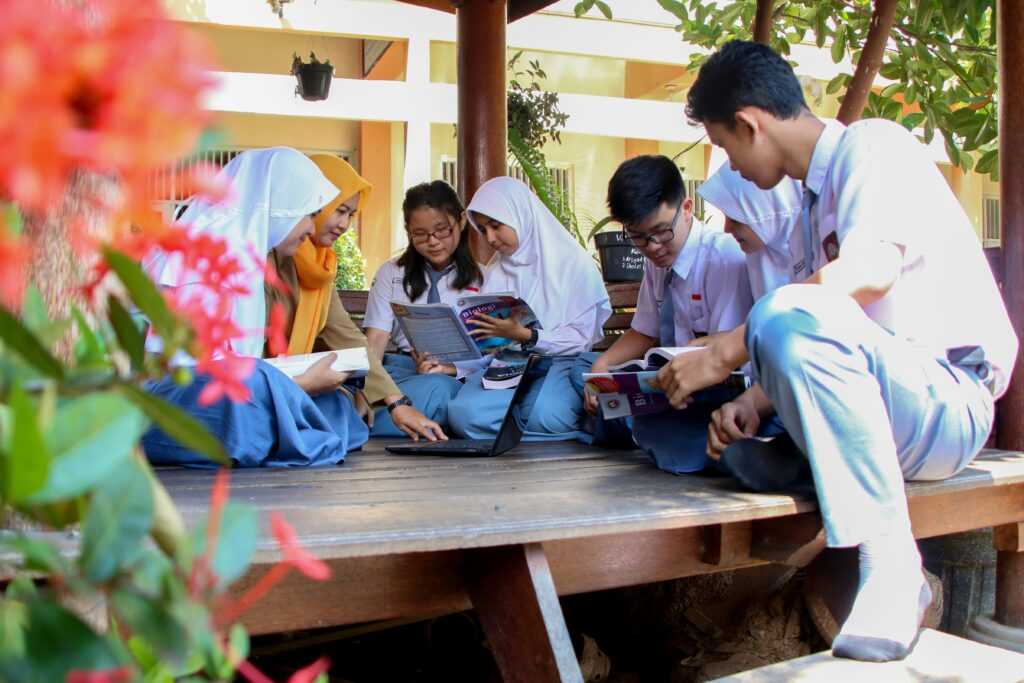
Modern education runs on tech, but for many rural schools, that current never arrives. In large swaths of the country, classrooms are still running on outdated equipment, spotty internet, and hope. Teachers share laptops. Students take turns on a single tablet. Basic tools like reliable Wi Fi and up to date operating systems are often out of reach.
The digital divide shows up fast and deep. Without access to modern devices or fast internet, students can’t build digital literacy or keep pace with tech integrated curriculums. It’s not just about missing out on coding or media production it’s about lagging behind in research skills, communication, and everyday problem solving. Even something as simple as submitting an assignment online becomes a barrier.
Then there’s the compounding effect. Students without early exposure to technology aren’t just behind in the classroom. They face steeper challenges later college readiness, job competitiveness, the confidence to navigate online systems. When rural schools go without the tools, the future options for their students narrow.
This isn’t a matter of convenience it’s infrastructure. And the longer the gap remains, the wider it grows.
Who She Is & Why She Took This On
Raised just outside Helena, Montana, Alexis Torres grew up watching kids in her own town fall behind not for lack of intelligence or drive, but because they didn’t have the same tools as students in cities. After earning her degree in computer science and later working in edtech consulting, she saw the same problem playing out across the country: rural schools were being left out of the digital conversation.
She didn’t like watching smart kids get left behind. That’s really what it came down to. So she made it her mission to fix it. Alexis founded UpRural, a nonprofit aimed at designing tech initiatives specifically for remote and under resourced districts. Not an afterthought. Not a scaled down urban model. Something built for the unique challenges of rural learning environments.
What lit the spark? A school visit in eastern Wyoming. A teacher showed her their one shared laptop for the entire 4th grade. “They were trying,” Alexis said. “But they were set up to lose.” In that moment, she stopped waiting for platforms and governments to solve it. She got to work.
Her approach isn’t flashy. It’s steady, focused, and personal. She believes that equal access to technology is a basic right and she’s showing that bridging the digital divide isn’t about dumping devices in classrooms. It’s about designing smart, lasting systems that respect the realities on the ground.
Equity through innovation. That’s her north star and it’s what’s driving a quiet revolution in communities that almost no one is looking at, except her.
The Tools, The Approach
She isn’t just dropping off laptops and calling it a day. The tech she’s introducing to rural classrooms is targeted and practical: durable tablets that work offline, projectors designed for daylight visibility, and open source learning platforms that run on low bandwidth. Software like Kolibri, built for offline education, and learning apps with multilingual support are at the center of her toolkit.
But the gear is only part of it. Her model includes hands on training programs for teachers something most tech rollouts skip. This isn’t a one off workshop either. It’s a long haul approach, with check ins, group sessions, and one on one mentoring to help educators build confidence using the tools in everyday lessons.
Crucially, she avoids dependency traps. Her projects are structured for community buy in from day one. Parents, local leaders, and older students are looped in early not just to watch, but to participate. This way, the tech doesn’t belong to her team it belongs to the town. The result: schools that run better tech programs without waiting on charity or catch up cycles.
Real Results in the Classroom
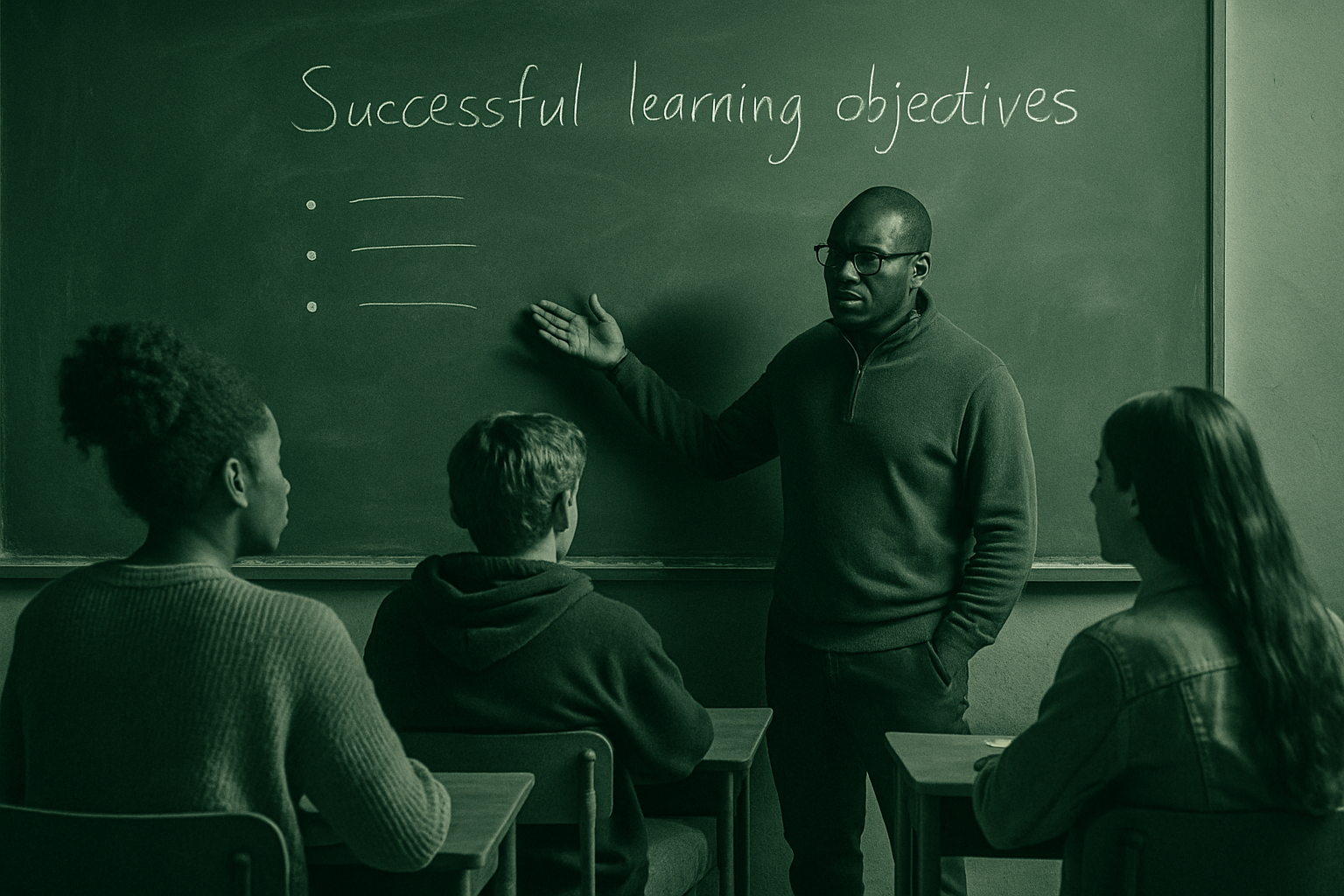
The impact isn’t just theoretical it’s already showing up where it counts: in classrooms. Within weeks of adopting her approach, teachers in rural schools have reported stark improvements in student engagement. Kids who were once checked out are asking questions, staying after class to explore lessons further, and showing up on time because they want to, not because they have to.
Take the school district in western Kentucky. After deploying her model, students there saw a 30% increase in science comprehension scores, measured through regular quizzes and interactive assessments embedded in the learning software. In Arizona, a high school history teacher saw classroom participation double after transitioning to project based lessons supported by the new digital tools.
Her success isn’t anecdotal. She tracks three core metrics: engagement (logged interactions per student per week), comprehension (pre/post testing), and digital confidence (self assessed comfort with tech via monthly surveys). These indicators guide adjustments in both tools and teaching styles, keeping the model flexible but focused.
In short, the results are not just promising they’re proving that access, done right, changes everything.
A Strategy With Scale
She didn’t build her education tech model to sit in one school district. From day one, the blueprint was designed to scale. Her roadmap starts with local audits getting a clear picture of what each underserved region is missing, whether it’s hardware, teacher readiness, or even electricity. Then, she builds a launch team from within existing communities. No outsiders parachuting in, no assumptions just ground up collaboration.
To expand, she’s leaned into partnerships that matter. That includes tech companies willing to donate or subsidize equipment, NGOs that know how to move in tough terrain, and, crucially, local governments. She doesn’t wait for public sector buy in she seeks it early, laying groundwork through pilot programs that speak for themselves once results come in.
As for sustainability, she treats it like infrastructure. There’s a clear plan for maintenance who handles device repairs, how often networks are tested, and where resources are replenished. Teacher training isn’t a one off seminar but an ongoing loop, with digital mentors and access to updated tools. Her model is lean, replicable, and built to grow without losing context. Scaling means staying light but rooted.
This isn’t a flash in the pan pilot. It’s step by step systems thinking for long term change.
Why Rural Tech Isn’t Just About Infrastructure
Getting laptops into classrooms isn’t enough. In rural schools, the real challenge is helping students believe they belong in a digital world and that takes more than just hardware. It starts with confidence. For a student who’s never used a tablet outside of a school building, navigating apps or presenting a project on video can feel foreign, even intimidating. So the classrooms this initiative supports don’t just focus on usage they prioritize fluency. Students are taught how to ask, explore, troubleshoot, and share. They’re building digital muscles, not just checking off assignments on a screen.
Communities that have been ignored by the tech wave often carry a kind of collective doubt. Is this really for us? That’s the mindset this project is starting to shift. Each participating school becomes proof that yes, rural kids can code, create, and compete. Parents and teachers are part of the process, too not just watching from the sidelines, but learning alongside students, regaining their own confidence.
And here’s the biggest takeaway: tech isn’t replacing chalkboards, storytelling, or hands on lessons. It’s a bridge. A tool. It connects students to the world while keeping education rooted in the values these communities care about. Tradition and innovation don’t have to clash. In the right hands, they can work together.
Related Work & Next Steps
Beyond the Classroom: Rural Tech Hubs
Her mission doesn’t stop at the school gates. She’s also the force behind building rural tech hubs, designed to extend access, knowledge, and innovation across entire communities. These hubs serve as:
Learning centers for students and adults
Spaces for workshops, digital literacy programs, and entrepreneurship
Resources for educators to collaborate and share best practices
By positioning tech hubs as community anchors, she’s ensuring that rural regions don’t just catch up they lead in their own way.
Mentorship Networks: Empowering the Next Generation
Recognizing the need for continued support, she is building a mentorship program powered by a growing network of educators, content creators, and tech professionals.
Key components of the mentorship initiative include:
Pairing experienced mentors with aspiring rural educators and students
Hosting live sessions and digital classrooms
Providing scalable learning modules tailored for underserved communities
This network strengthens local talent pipelines and fosters long term relationships, breaking cycles of isolation often faced in rural education.
Commitment to Long Term Empowerment
Her strategy is rooted in sustainability and depth rather than short term wins. She focuses on:
Creating frameworks that communities can eventually run independently
Training local leaders to become tech advocates and trainers
Encouraging a culture of lifelong learning and adaptability
Instead of simply introducing technology, she’s cultivating a mindset that embraces possibility and self determination. For her, innovation isn’t about flashy tools it’s about building a foundation for lasting change.
 Ask Lucille Parrishelsons how they got into opinion pieces and editorials and you'll probably get a longer answer than you expected. The short version: Lucille started doing it, got genuinely hooked, and at some point realized they had accumulated enough hard-won knowledge that it would be a waste not to share it. So they started writing.
What makes Lucille worth reading is that they skips the obvious stuff. Nobody needs another surface-level take on Opinion Pieces and Editorials, Feature Stories and Interviews, Current Events Highlights. What readers actually want is the nuance — the part that only becomes clear after you've made a few mistakes and figured out why. That's the territory Lucille operates in. The writing is direct, occasionally blunt, and always built around what's actually true rather than what sounds good in an article. They has little patience for filler, which means they's pieces tend to be denser with real information than the average post on the same subject.
Lucille doesn't write to impress anyone. They writes because they has things to say that they genuinely thinks people should hear. That motivation — basic as it sounds — produces something noticeably different from content written for clicks or word count. Readers pick up on it. The comments on Lucille's work tend to reflect that.
Ask Lucille Parrishelsons how they got into opinion pieces and editorials and you'll probably get a longer answer than you expected. The short version: Lucille started doing it, got genuinely hooked, and at some point realized they had accumulated enough hard-won knowledge that it would be a waste not to share it. So they started writing.
What makes Lucille worth reading is that they skips the obvious stuff. Nobody needs another surface-level take on Opinion Pieces and Editorials, Feature Stories and Interviews, Current Events Highlights. What readers actually want is the nuance — the part that only becomes clear after you've made a few mistakes and figured out why. That's the territory Lucille operates in. The writing is direct, occasionally blunt, and always built around what's actually true rather than what sounds good in an article. They has little patience for filler, which means they's pieces tend to be denser with real information than the average post on the same subject.
Lucille doesn't write to impress anyone. They writes because they has things to say that they genuinely thinks people should hear. That motivation — basic as it sounds — produces something noticeably different from content written for clicks or word count. Readers pick up on it. The comments on Lucille's work tend to reflect that.