
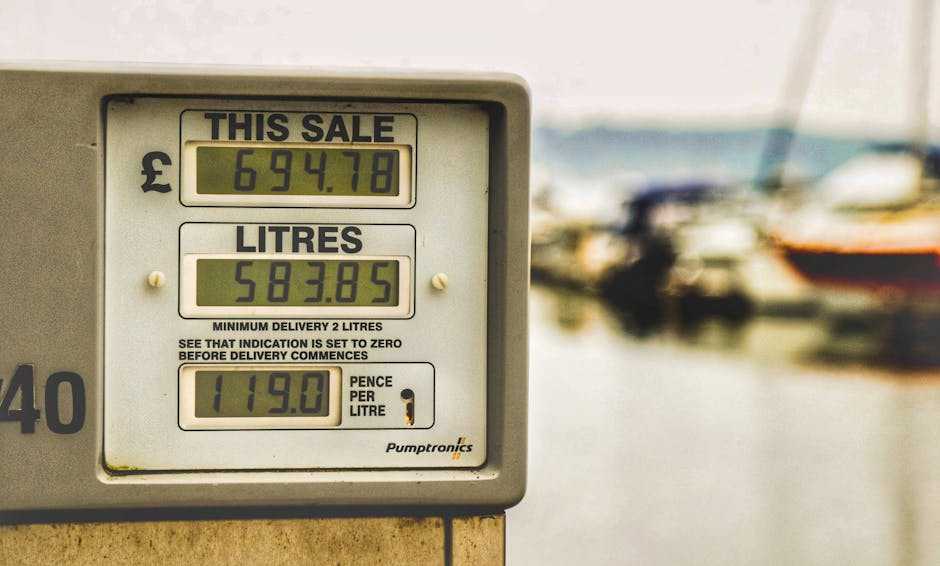
What’s Driving the Price Surge
Oil prices don’t just rise in a vacuum. Right now, a perfect storm of global events is sending shockwaves through energy markets. Geopolitical tensions in oil producing regions think the Middle East and Eastern Europe are heightening concerns over disrupted supply. Wars and sanctions don’t just destabilize countries; they rattle investors and tighten global oil flow almost overnight.
Then there’s OPEC+. The group of major oil exporting countries is deliberately holding back production to buoy prices. Strategic for them, painful for everyone else. With limited output and steady demand, prices climb and fast.
Add to that clogged supply chains, aging infrastructure, and struggling refineries. Maintenance delays, unexpected outages, and underinvestment in refining capacity are making it harder to get oil where it’s needed, when it’s needed. The result? Bottlenecks that push prices even higher.
When geopolitics and production strategies collide with weak infrastructure, volatility becomes the default. Energy markets become less about supply and more about who can weather the turbulence.
How It Hits Consumer Wallets
The first and most visible impact of a global oil price spike lands squarely at the gas pump. Within days of a price surge, drivers notice the jump sometimes by a dollar or more per gallon. For those commuting long distances or running fuel heavy vehicles, the financial hit isn’t subtle.
But it doesn’t stop there. Transportation and shipping companies pass on higher fuel costs to retailers, who then adjust prices upward. Food, clothing, electronics anything that moves from Point A to B gets more expensive to stock and sell. Costs creep into grocery aisles, online orders, and local stores alike.
In regions that lean heavily on oil for power generation, the pain extends into electricity bills. Utilities face higher operating costs and often pass those costs on to households. That’s especially rough during peak usage seasons. For many, it’s a one two punch: higher prices at the pump and on month end bills.
Bottom line: rising oil prices may start at the gas station, but they ripple through nearly every corner of daily life.
Ripple Effects Across Sectors

When oil prices spike, the shockwaves hit just about everything that moves. Airlines feel it first and hardest, since jet fuel is their biggest expense after labor. Expect fare hikes and fewer low cost routes. Manufacturing doesn’t get off easy either especially energy heavy sectors like plastics, cement, and chemicals. Transport and logistics companies, from overnight shipping giants to food delivery fleets, also squeeze margins or pass on costs to customers.
Developing economies get caught in a tighter bind. Many of them rely heavily on imported oil and don’t have the currency strength or reserves to weather sudden jumps. Fuel subsidies strain public budgets, and inflation hits the poorest households fastest.
Back on the ground, regular people adjust fast. Carpooling apps see a spike in downloads, and EV sales pick up when supply can keep up with demand. Road trips get shorter. Vacation flights get second guessed. People start thinking in miles per gallon again, not just minutes and convenience. One way or another, everyone makes trade offs when oil gets expensive and those trade offs are already underway.
The Connection to Global Monetary Policy
Rising Oil Prices Fuel Inflation
Sharp increases in global oil prices don’t just affect the cost of filling up at the gas station they have broader macroeconomic implications. Because oil is a foundational input across nearly every sector, elevated prices quickly ripple through to:
Transportation and shipping
Manufacturing costs
Consumer goods pricing
This widespread price pressure often results in higher overall inflation rates, especially in import reliant nations.
Central Banks Face Pressure to Respond
Surging inflation driven by energy costs puts central banks in a difficult position. Their primary tool to combat inflation raising interest rates can have its own economic drawbacks.
Key considerations include:
Interest Rate Hikes: Higher interest rates can cool consumer demand but may also slow economic growth
Policy Tightening: Central banks may adopt more restrictive monetary policies to keep inflation under control
Global Coordination: In interconnected markets, decisions by institutions like the U.S. Federal Reserve or the European Central Bank influence global capital flows and currencies
For a deeper dive, see the potential interest rate implications.
The Bottom Line for Consumers and Investors
Whether you’re managing household expenses or planning investment strategies, understanding how oil prices affect central bank behavior is crucial in uncertain economic times. Keeping an eye on inflation data and monetary policy forecasts can help you prepare for shifts in purchasing power, loan rates, and currency values.
What to Expect Next
Oil prices are unpredictable by nature, but the line between a short term spike and a long term climb is thinner than ever. The big question on everyone’s mind: will prices stabilize or just keep rising? That depends on a mix of global policy moves, shifting demand patterns, and how energy markets respond to future disruptions.
If OPEC+ continues with tight production and geopolitical tensions remain unresolved, the upward pressure on prices could stay locked in. Add sustained demand from countries bouncing back post pandemic, and you’ve got a recipe for prolonged highs. On the flip side, coordinated strategic oil releases or breakthroughs in peace negotiations could ease the strain and flatten out prices over the next few quarters.
Consumers and businesses can’t control oil futures, but they can brace smartly. For households: rethink energy use, consider carpooling, and explore flexible work or travel habits. For businesses: it’s time to audit logistics, reevaluate fuel contracts, and double down on efficiency. Planning for stubbornly high prices isn’t pessimism it’s preparation. In volatile markets like this, agility is survival.
Strategic Considerations for Consumers
When fuel prices start swinging like a wrecking ball, guessing won’t cut it. Budgeting has to get smarter. Lock down your monthly spend by setting limits and sticking to them. Track usage. Use apps to find the cheapest gas near you. And if your vehicle is a gas guzzler, it’s time to rethink what you’re driving and how often.
Plan long term. That might mean investing in a hybrid or EV even if the upfront cost seems steep, the payback over time becomes clear when oil markets go haywire. If switching vehicles isn’t on the table, look at small moves: carpooling, using public transit more, reducing unnecessary trips. Spread out errands. Think like a logistics company.
More importantly, zoom out. What’s happening globally like central banks reacting to oil driven inflation affects borrowing costs, gas prices, and more. Understand the chain reaction. For instance, rising interest rates can push up the cost of financing energy efficient upgrades or new cars. Staying on top of macro trends, like those explained in recent insights on interest rate implications, helps you make decisions based on the full picture, not just the pump price of the week.
 Draxian Quenvale is the kind of writer who genuinely cannot publish something without checking it twice. Maybe three times. They came to insights and analysis through years of hands-on work rather than theory, which means the things they writes about — Insights and Analysis, Cultural News and Insights, Emerging Trends Reporting, among other areas — are things they has actually tested, questioned, and revised opinions on more than once.
That shows in the work. Draxian's pieces tend to go a level deeper than most. Not in a way that becomes unreadable, but in a way that makes you realize you'd been missing something important. They has a habit of finding the detail that everybody else glosses over and making it the center of the story — which sounds simple, but takes a rare combination of curiosity and patience to pull off consistently. The writing never feels rushed. It feels like someone who sat with the subject long enough to actually understand it.
Outside of specific topics, what Draxian cares about most is whether the reader walks away with something useful. Not impressed. Not entertained. Useful. That's a harder bar to clear than it sounds, and they clears it more often than not — which is why readers tend to remember Draxian's articles long after they've forgotten the headline.
Draxian Quenvale is the kind of writer who genuinely cannot publish something without checking it twice. Maybe three times. They came to insights and analysis through years of hands-on work rather than theory, which means the things they writes about — Insights and Analysis, Cultural News and Insights, Emerging Trends Reporting, among other areas — are things they has actually tested, questioned, and revised opinions on more than once.
That shows in the work. Draxian's pieces tend to go a level deeper than most. Not in a way that becomes unreadable, but in a way that makes you realize you'd been missing something important. They has a habit of finding the detail that everybody else glosses over and making it the center of the story — which sounds simple, but takes a rare combination of curiosity and patience to pull off consistently. The writing never feels rushed. It feels like someone who sat with the subject long enough to actually understand it.
Outside of specific topics, what Draxian cares about most is whether the reader walks away with something useful. Not impressed. Not entertained. Useful. That's a harder bar to clear than it sounds, and they clears it more often than not — which is why readers tend to remember Draxian's articles long after they've forgotten the headline.