
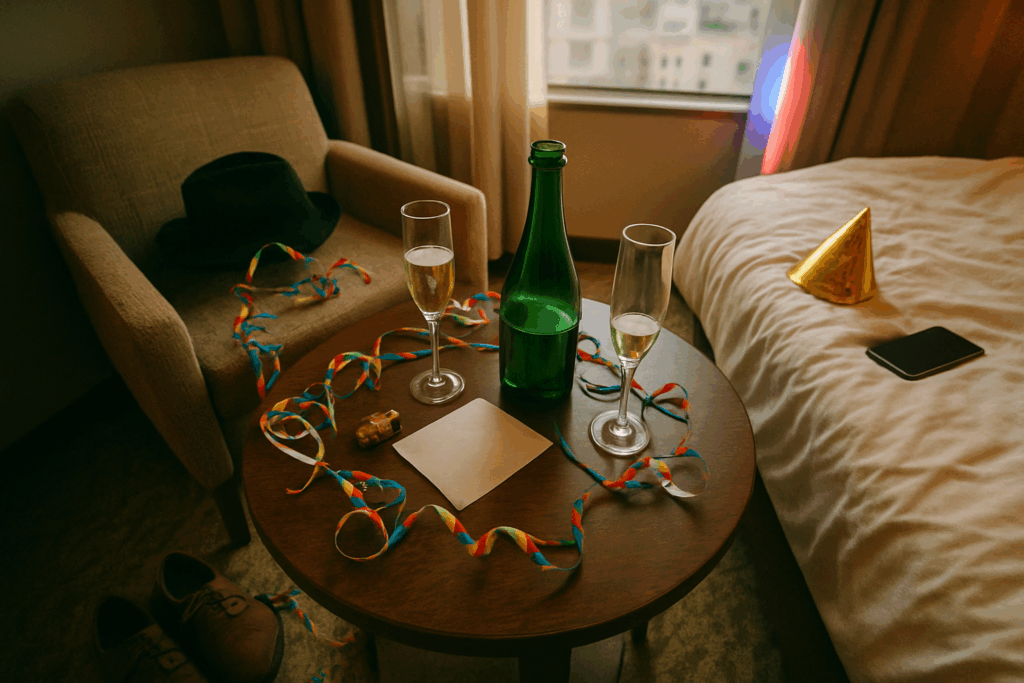
The Urban Festival Revival Movement
Across the world’s megacities, something unexpected is happening. Amid glass towers and tech saturated lives, traditional cultural festivals are making a comeback. Not tucked away in heritage centers or rural towns but right in the heart of cities.
What’s driving this revival? Part of it is identity. In a time when everything feels globalized and generic, people want something that feels rooted. Spaces filled with street parades, folk dances, handmade crafts, and ancestral rituals are becoming antidotes to hyperconnectivity and cultural drift. They remind people who they are and where they come from.
Community is another big piece. These festivals create rare chances for togetherness, especially in urban environments where neighbors rarely speak. A fire dance or food stall can bridge worlds faster than a city council meeting ever could. It’s local, visceral, and hard to ignore.
Tourism plays its part, too. Cities are leaning into their cultural archives not just to entertain residents, but to pull in visitors. Festivals now drive foot traffic, camera clicks, and cultural capital. They’re a soft power asset and increasingly, part of a city’s economic plan.
Modern life hasn’t killed tradition. It’s forced it to adapt and in 2024, that tension is shaping some of the most dynamic urban experiences on the planet.
How Cities Are Adapting Tradition
Cities aren’t just accepting cultural festivals they’re actively reshaping the urban grid to make space for them. Public squares, malls, and even transit hubs are being transformed into temporary cultural grounds. The backdrop may be concrete and glass, but what happens inside is centuries deep.
Take London’s Trafalgar Square during Diwali. Temporarily closed to traffic, it becomes a stage for classical dance, light installations, and food stalls serving samosas and jalebi. It’s not just spectacle it’s community reclaiming space.
In Los Angeles, Día de los Muertos has grown beyond neighborhood altars. Grand Park morphs into a canvas for public mourning and celebration. Skulls and marigolds dominate streets usually ruled by cars and deadlines. It’s personal, spiritual, and urban all at once.
Over in Vancouver, Lunar New Year spills into malls and skytrain stations. With lion dances happening between platforms and calligraphy workshops next to food courts, tradition infiltrates daily life. No one needs to “attend” because it meets them in motion.
This shift isn’t random. It’s driven by policy. City governments are loosening event permits, building support frameworks, and funding partnerships with cultural groups. They’ve figured out what locals and tourists already know: festivals make cities feel alive. And when cities make space for the ancestral, they become more human.
Challenges in Cultural Preservation
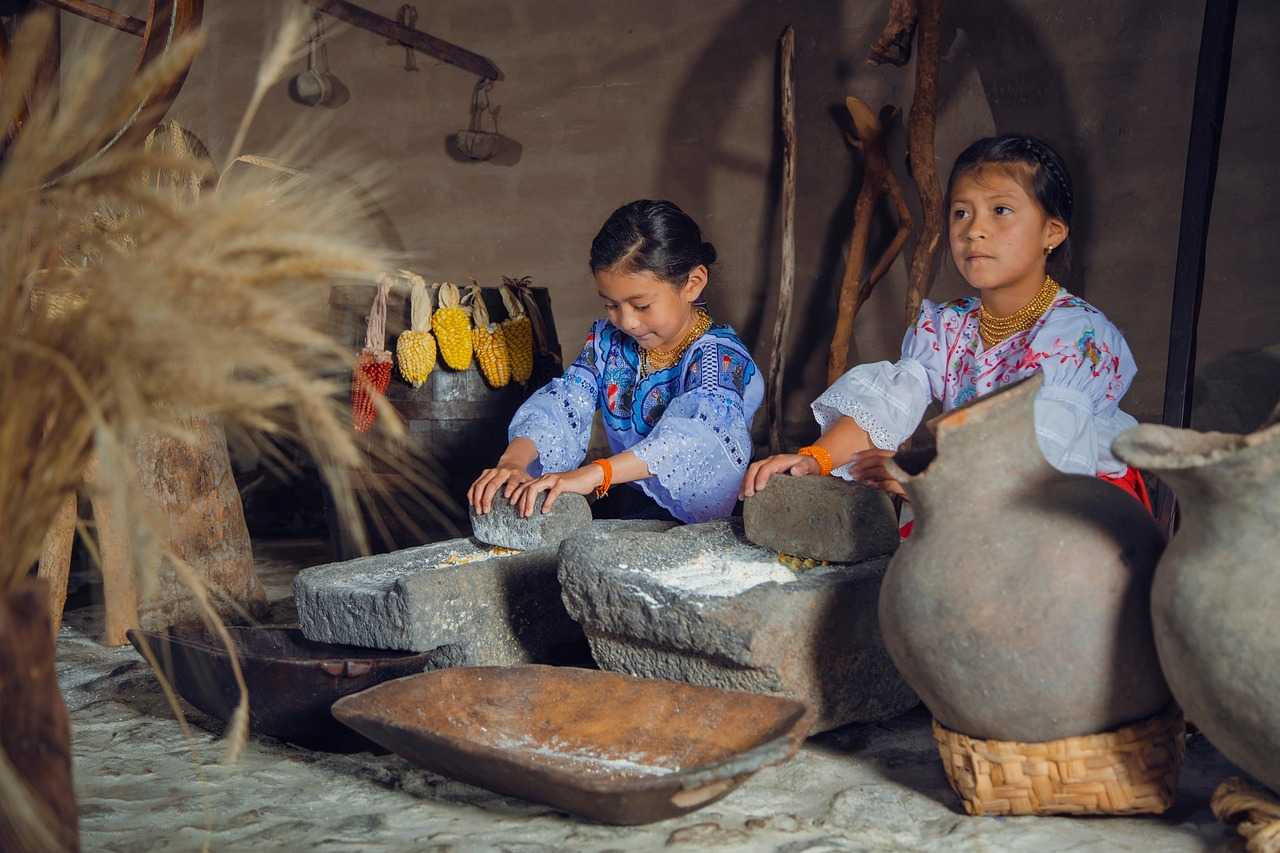
There’s a thin line between celebrating a tradition and selling it. As festivals re emerge in modern urban life, the question of authenticity looms large. Is that lantern parade keeping true to its origins, or has it been polished up for tourist dollars? It’s a tension that cities, organizers, and cultural custodians constantly grapple with.
Global cities bring people from everywhere. That’s a strength, but it also raises tough questions: who gets to decide how a festival is represented? Who owns the story? A Lunar New Year event in Vancouver might look and feel different from one in Beijing and that’s not necessarily wrong. But when cultural moments get packaged for mass appeal, the risk is clear: tradition becomes a backdrop, not a voice.
Then there’s the pacing of modern life. Festivals that once unfolded over days are now compressed into meme friendly, weekend length sprints. Modernity moves fast; heritage takes time. Finding a balance where tradition isn’t diluted but also doesn’t get left behind is the challenge now. And it’s being solved not by freezing the past, but by engaging new voices who understand both where the culture comes from and where cities are headed.
The Role of Communities and Creatives
Reviving cultural festivals in cities isn’t just about logistics or fireworks. It starts from the ground up with local artists, educators, and youth leading the charge. These aren’t just participants; they’re stewards of tradition, remixing heritage into something vibrant and current. From muralists turning alleyways into mythological timelines to teachers organizing folklore workshops in public schools, the creative class is giving old customs real traction in the present.
Youth involvement is especially critical. Whether it’s choreographing traditional dance shorts on TikTok or designing festival posters with a modern edge, young people are helping keep festivals relevant. It’s not heritage by obligation. It’s heritage by design, shaped around their voices.
Digital media adds rocket fuel. Urban residents who skipped their neighborhood’s local observances last year are now watching reel style recaps on their commute, liking behind the scenes prep videos, and getting reminders to join real world events. Heritage sits in their hands scrollable, shareable, impossible to ignore.
Perhaps the biggest shift? Communities taking the wheel. Festival revival works best when it’s not just a city hall initiative with a hashtag. Grassroots organizing, co led councils, and neighborhood buy in create momentum that top down efforts rarely touch. It’s culture by the people, not just policy. That’s what gives festivals staying power beyond a single season.
Global Impact and What to Expect Next
Cultural festivals are becoming more than mere celebrations they’re becoming instruments of inclusion. As cities stretch to accommodate more layered, globalized populations, festivals are doing the quiet but critical work of knitting people together. Whether it’s Holi in Berlin or Nowruz in Toronto, these traditions give newcomers and locals a shared moment, a common rhythm.
Beyond identity, there’s influence. City sponsored festivals are now pulling double duty attracting cultural tourists, sparking cross border collaborations, and softening geopolitical edges through public diplomacy. When a city backs a festival, it’s not just promoting heritage, it’s broadcasting values: openness, respect, and belonging.
Social cohesion is the long game. Urban lives are fast and fragmented, but festivals offer moments of pause and connection. They’re part of the glue holding neighborhoods together, especially when the planning involves everyone from youth collectives to elder councils.
For more on how cities are leaning into culture as strategy, see our latest culture updates.
Final Insight: Culture that Adapts, Survives
Traditional festivals aren’t museum pieces they’re living, breathing forms of expression. They’ve evolved for centuries, absorbing change while keeping a core of shared meaning. When cities give them space literal and cultural they don’t just survive, they revitalize neighborhoods and reconnect fractured communities. You see it in lanterns lighting up high rise blocks, dances spilling out onto urban plazas, or scent trails of heritage cooking wafting through city streets.
This isn’t nostalgia. It’s renewal. Every time a festival returns with new voices and formats, it builds a bridge between generations. It reminds fast moving cities of their slower roots. And when done thoughtfully, it doesn’t just preserve culture it grows it.
Track how traditions keep shape shifting across modern contexts through our latest culture updates.
 Draxian Quenvale is the kind of writer who genuinely cannot publish something without checking it twice. Maybe three times. They came to insights and analysis through years of hands-on work rather than theory, which means the things they writes about — Insights and Analysis, Cultural News and Insights, Emerging Trends Reporting, among other areas — are things they has actually tested, questioned, and revised opinions on more than once.
That shows in the work. Draxian's pieces tend to go a level deeper than most. Not in a way that becomes unreadable, but in a way that makes you realize you'd been missing something important. They has a habit of finding the detail that everybody else glosses over and making it the center of the story — which sounds simple, but takes a rare combination of curiosity and patience to pull off consistently. The writing never feels rushed. It feels like someone who sat with the subject long enough to actually understand it.
Outside of specific topics, what Draxian cares about most is whether the reader walks away with something useful. Not impressed. Not entertained. Useful. That's a harder bar to clear than it sounds, and they clears it more often than not — which is why readers tend to remember Draxian's articles long after they've forgotten the headline.
Draxian Quenvale is the kind of writer who genuinely cannot publish something without checking it twice. Maybe three times. They came to insights and analysis through years of hands-on work rather than theory, which means the things they writes about — Insights and Analysis, Cultural News and Insights, Emerging Trends Reporting, among other areas — are things they has actually tested, questioned, and revised opinions on more than once.
That shows in the work. Draxian's pieces tend to go a level deeper than most. Not in a way that becomes unreadable, but in a way that makes you realize you'd been missing something important. They has a habit of finding the detail that everybody else glosses over and making it the center of the story — which sounds simple, but takes a rare combination of curiosity and patience to pull off consistently. The writing never feels rushed. It feels like someone who sat with the subject long enough to actually understand it.
Outside of specific topics, what Draxian cares about most is whether the reader walks away with something useful. Not impressed. Not entertained. Useful. That's a harder bar to clear than it sounds, and they clears it more often than not — which is why readers tend to remember Draxian's articles long after they've forgotten the headline.