
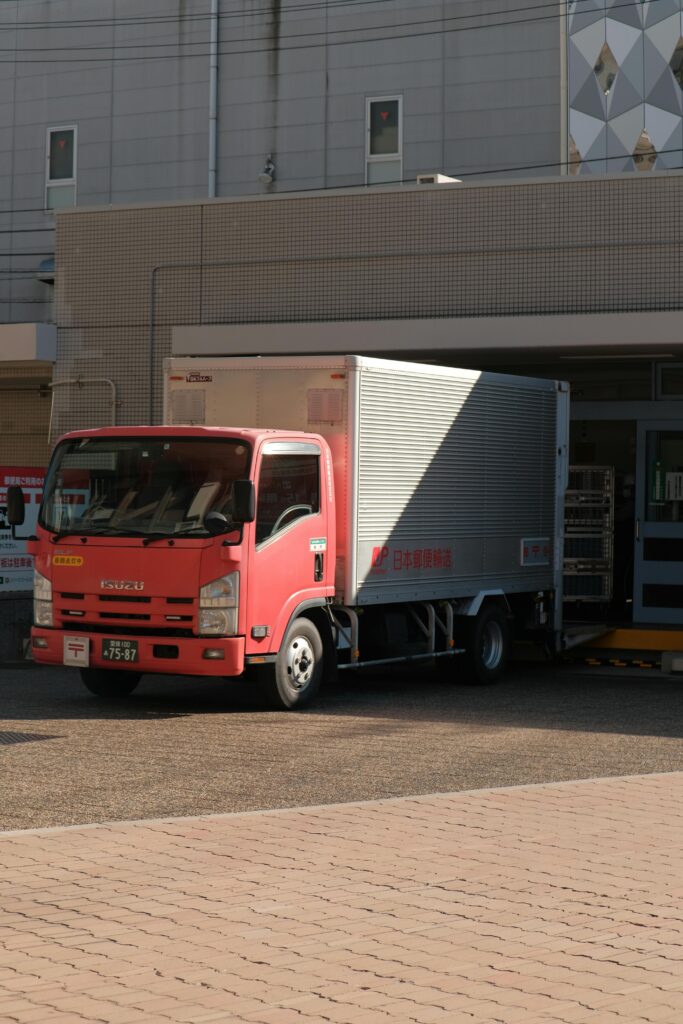
The St. Louis metropolitan area sits at the intersection of I-70, I-55, I-44, and I-64, making it one of the most significant freight crossroads in the Midwest. The volume of commercial truck traffic passing through and operating within the region produces a consistent pattern of serious truck crashes that are among the most legally complex personal injury cases in Missouri and Illinois practice. They are complex not because the negligence is ambiguous but because the evidence is time-sensitive, the defendants are multiple, and the insurance coverage structures differ fundamentally from car accident cases.
Getting the investigation right in a commercial truck case requires specific knowledge, specific resources, and specific urgency that ordinary car accident representation cannot provide. The difference between a truck case built correctly from the first 72 hours and one built from whatever survived in the absence of immediate preservation is frequently the difference between a claim that reaches its full value and one that settles for a fraction of it.
The 72-Hour Evidence Window
Commercial trucks generate electronic evidence that does not exist in passenger vehicle accidents: electronic logging device records documenting the driver’s hours of service for the week before the crash, GPS telematics data showing the route, speed, and stop history of the vehicle, event data recorder information capturing the seconds before impact, and in many trucks a forward-facing dashcam recording the driver’s view of the road. All of this data is subject to overwriting through normal system operation unless a formal litigation hold is served on the carrier immediately.
For crashes on I-70 through St. Louis, on the I-55 corridor through southern Missouri and Illinois, and on the freight routes serving the region’s distribution centers and manufacturing facilities, the carriers involved often have national operations and data management systems that overwrite records on retention schedules measured in days. An attorney who serves the litigation hold notice within 24 to 48 hours of the crash preserves this evidence for the case. An attorney engaged weeks later is working with whatever was not overwritten by the system running as designed.
FMCSA Regulations as the Negligence Foundation
Commercial trucks operating in and through Missouri and Illinois are governed by the Federal Motor Carrier Safety Administration regulations that establish mandatory standards for hours of service, driver qualification, cargo securement, vehicle maintenance, and drug and alcohol testing. When a carrier or driver violates these standards and a crash results, that violation establishes negligence without requiring expert testimony about what reasonable conduct demanded, because the regulation itself defines the standard that was breached.
The FMCSA’s Safety Measurement System provides publicly accessible records on every registered carrier’s inspection history, violation patterns, and crash record. A carrier with documented hours-of-service violations, brake deficiencies, or prior safety interventions provides the factual foundation for both the specific negligence claim and, in cases of systemic non-compliance, a punitive damages argument that goes beyond compensatory recovery.
The Multi-Defendant Structure and Why It Matters
A thorough truck accident investigation regularly identifies defendants beyond the driver. The motor carrier whose scheduling, training, and maintenance practices created the conditions for the crash, the freight broker whose selection of an inadequately qualified carrier imposed risk on other road users, the cargo shipper whose improper loading contributed to the crash, and where applicable the vehicle or component manufacturer whose defective product failed all face independent liability. Each additional defendant represents additional insurance coverage and additional accountability for the injuries the crash caused.
Missouri and Illinois both apply comparative fault frameworks that apportion responsibility among all defendants, and a comprehensive investigation that identifies every responsible party ensures that the fault allocation reflects the full distribution of accountability rather than the limited picture that targeting only the driver produces. Working with experienced attorneys who provide truck accident legal representation in Missouri and Illinois is the step that ensures the investigation begins with the urgency and breadth these cases demand from the first day of engagement.
 Draxian Quenvale is the kind of writer who genuinely cannot publish something without checking it twice. Maybe three times. They came to insights and analysis through years of hands-on work rather than theory, which means the things they writes about — Insights and Analysis, Cultural News and Insights, Emerging Trends Reporting, among other areas — are things they has actually tested, questioned, and revised opinions on more than once.
That shows in the work. Draxian's pieces tend to go a level deeper than most. Not in a way that becomes unreadable, but in a way that makes you realize you'd been missing something important. They has a habit of finding the detail that everybody else glosses over and making it the center of the story — which sounds simple, but takes a rare combination of curiosity and patience to pull off consistently. The writing never feels rushed. It feels like someone who sat with the subject long enough to actually understand it.
Outside of specific topics, what Draxian cares about most is whether the reader walks away with something useful. Not impressed. Not entertained. Useful. That's a harder bar to clear than it sounds, and they clears it more often than not — which is why readers tend to remember Draxian's articles long after they've forgotten the headline.
Draxian Quenvale is the kind of writer who genuinely cannot publish something without checking it twice. Maybe three times. They came to insights and analysis through years of hands-on work rather than theory, which means the things they writes about — Insights and Analysis, Cultural News and Insights, Emerging Trends Reporting, among other areas — are things they has actually tested, questioned, and revised opinions on more than once.
That shows in the work. Draxian's pieces tend to go a level deeper than most. Not in a way that becomes unreadable, but in a way that makes you realize you'd been missing something important. They has a habit of finding the detail that everybody else glosses over and making it the center of the story — which sounds simple, but takes a rare combination of curiosity and patience to pull off consistently. The writing never feels rushed. It feels like someone who sat with the subject long enough to actually understand it.
Outside of specific topics, what Draxian cares about most is whether the reader walks away with something useful. Not impressed. Not entertained. Useful. That's a harder bar to clear than it sounds, and they clears it more often than not — which is why readers tend to remember Draxian's articles long after they've forgotten the headline.