
What’s Driving the Shift
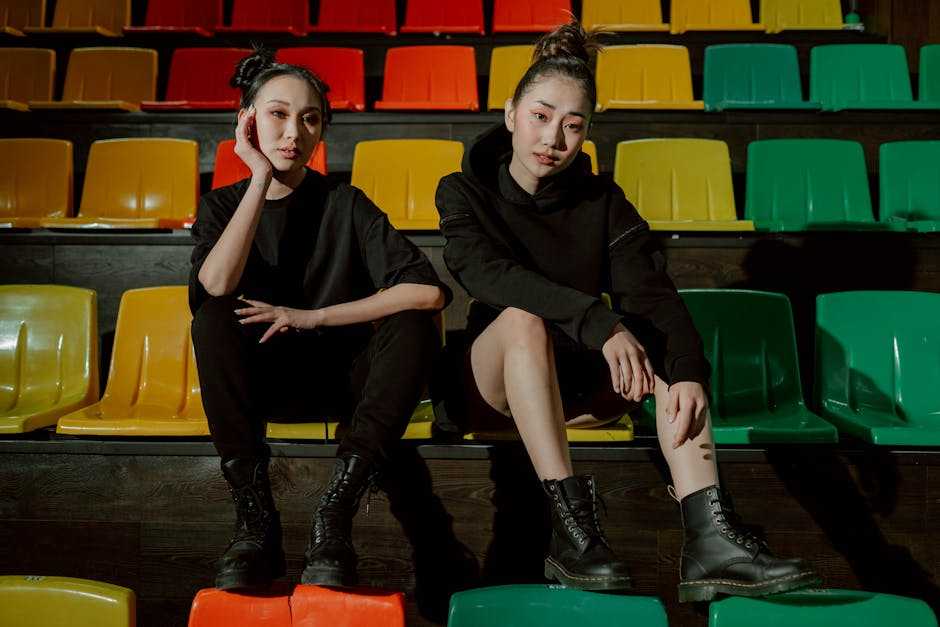
Cultural pride isn’t just back it’s turning up the volume. Across continents, young people are digging into their roots and wearing them out loud. This isn’t nostalgia. It’s assertion. Faith in heritage. Pride in origins. Whether it’s West African prints, South Asian embroidery, or Indigenous beadwork, traditional clothing is no longer reserved for weddings or holidays it’s part of the daily fit.
Social media is the fuel. What once stayed within local communities now trends globally. A single TikTok showcasing a grandmother’s sari or a handwoven poncho can go viral overnight. That reach is shifting perceptions. It’s making tradition aspirational fresh, even rebellious. In a feed full of sameness, standing out now means standing in your truth.
More and more, young people are dressing for identity, not conformity. They’re reclaiming pieces once hidden, reworking garments once dismissed. This isn’t about following the crowd it’s about telling the world exactly who they are, one thread at a time.
Beyond Aesthetic: Wearing Values
For a growing wave of young people, wearing traditional clothing isn’t about costumes or nostalgia it’s a statement. Fast fashion runs on speed, mass production, and trends designed to expire. Traditional wear is the opposite. It’s slow. It’s intentional. And increasingly, it’s being worn with purpose.
Each handmade embroidery, natural fiber, or inherited cut represents values that go beyond style. Choosing heritage and craft over factory made throwaways is its own kind of rebellion. It says, “I know where this came from. I know who made it. And I’m okay not matching the latest drop.”
To this new generation, fabric is language. A handwoven sash isn’t just decoration it’s a story passed down. A silhouette tied to a tribal history holds weight. These aren’t just garments; they’re memory, legacy, and critique stitched into cloth. By wearing tradition, young creators are slowing time, resisting the churn and folding meaning into their wardrobes.
The Digital Boost
Platforms Powering Cultural Fashion
In the digital age, visual platforms like TikTok and Instagram are more than entertainment they’re engines of cultural revival. Young creators are using these tools not only to showcase style but to amplify ancestral heritage through modern lenses.
TikTok: Short form videos allow creators to present traditional outfits with music, choreography, and storytelling.
Instagram: Carousel posts, Reels, and live streams offer influencers and designers a space to provide depth behind the designs and their origins.
These platforms turn moments of cultural expression into viral movements, making traditional dress not just visible but aspirational.
Influencers as Ambassadors of Heritage
Far from being niche voices, today’s style influencers are cultural storytellers. Many are using their platforms to:
Highlight the craftsmanship behind traditional textiles
Introduce historic techniques like embroidery, dyeing, or weaving
Elevate lesser known artisan communities
By doing so, they reposition traditional clothing as a symbol of pride and modern relevance.
Tradition as Digital Status
Vintage and handmade garments are also gaining traction as markers of quality and individuality in the digital fashion space.
Heritage clothing is being seen as a smarter, more meaningful alternative to disposable fast fashion
Slow fashion pieces often come with stories of family, region, struggle, or resistance
Wearing these items online signals not just style savvy, but social consciousness
Being seen in culturally rooted pieces now communicates depth, thought, and identity making traditional fashion a new kind of digital status symbol.
Fashion as Cultural Revival
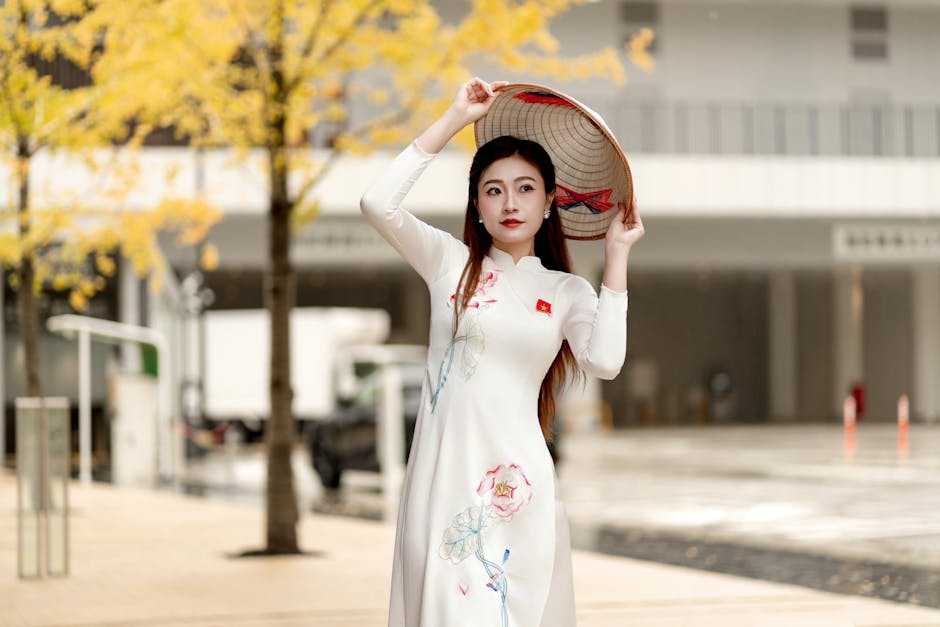
Across regions and continents, younger generations are digging into their heritage not through textbooks, but through textiles. Traditional clothing is no longer boxed into ceremonial occasions. It’s becoming part of daily expression. A woven skirt passed down through a family, a hand dyed shawl from a rural artisan, or a reimagined version of a centuries old tunic these aren’t nostalgic choices. They’re statements.
At the center of this revival are local artisans, many of whom have struggled for visibility in a fast fashion world. Today, they’re finding new relevance as youth seek authenticity over algorithms. Teens and twenty somethings are chasing stories behind the stitch, valuing relationships with the hands that make what they wear. That connection to the maker that’s the shift.
And it’s not just about preservation. Modern designers are remixing tradition with tech and tailoring. Ancient textiles meet contemporary silhouettes. A heritage motif gets screen printed on a unisex bomber. It’s respectful fusion, not costume play. In the process, clothing becomes a bridge: between generations, between digital and physical, between the past and what comes next.
What This Means for the Future
Traditional clothing isn’t just for ceremonies anymore. Across cities, campuses, and social feeds, young people are pulling heritage styles into daily rotation turning what once felt sacred into something lived in and unapologetically visible. We’re seeing saris worn with sneakers, hanboks styled with hoodies, agbadas rolling through transit stations during the weekday rush.
The look is less about nostalgia and more about defiant relevance. Cultural garments are showing up with unexpected twists: Andean ponchos reimagined in tech fabrics, Japanese noragi re cut with streetwear silhouettes, Maasai patterns appearing as statement pieces in international fashion drops. It’s fusion without losing core identity.
This isn’t about museum preservation. It’s a form of creative continuity. For younger generations, keeping identity alive means reinterpreting not freezing tradition. Aesthetic experimentation is how legacy survives in the algorithm age. These crossovers aren’t reducing meaning they’re layering it.
In a world flooded with trends, cultural dress when carried with care and intention offers something timeless. Simply put, heritage looks are no longer seasonal. They’re becoming foundational.
Connected Movements
It’s not just wardrobes getting a cultural reset what’s on the plate is shifting, too. Traditional foods, ingredients, and cooking methods are showing up more often in the kitchens and feeds of younger generations. This isn’t a trend driven by nostalgia; it’s about reclaiming identity in a fast food, homogenized world.
From fermented staples to slow cooked ceremonial dishes, young creators are learning from elders, documenting ancient recipes, and sharing them via reels and vlogs. What was once underappreciated is now center stage, with food becoming a powerful tool for storytelling and connection.
Platforms like TikTok and YouTube have helped surface regional cuisines, turning underground traditions into global talking points. And like with traditional fashion, it’s not about performative aesthetics it’s about respect, learning, and authenticity.
For a deeper look at how food fits into this cultural revival, check out this traditional food insight.
Final Take: Why This Movement Matters
Youth today aren’t gravitating toward tradition by chance it’s a deliberate, meaningful shift. In a hyper digital world where trends change by the minute, choosing heritage over hype is a bold statement.
A Conscious Return to Roots
Young people are:
Rejecting fast, disposable trends
Seeking deeper cultural connections through fashion
Reclaiming garments once considered outdated or ceremonial
This isn’t nostalgia it’s intention. Tradition is being redefined as relevant, expressive, and future facing.
Fashion as a Medium of Purpose
For emerging generations, clothing is more than appearance. It’s becoming a platform for:
Legacy: Wearing family stories, ancestral patterns, and regional crafts
Voice: Using dress to make political, environmental, and cultural statements
Belonging: Finding community through shared heritage and values
As more youth make these active choices, traditional wear is no longer seen as niche it’s part of a broader cultural awakening.
Looking Ahead
This movement suggests a future where:
Fashion isn’t just seasonal but sentimental
Identity is expressed through intentional wear
Culture is celebrated in everyday life not reserved for special occasions
Tradition is no longer something to preserve in a box it’s something to live in, proudly.