

I’ve spent years studying why so many people feel worse despite following every new diet that comes along.
You’re probably tired of conflicting advice. One expert says eat this, another says avoid it completely. Meanwhile, you’re still dealing with low energy, brain fog, or health issues that won’t go away.
Here’s what I’ve learned: the answer isn’t in the next superfood or trendy eating plan. It’s in the foods humans thrived on for thousands of years before we started processing everything.
I dug into nutritional science, anthropological research, and culinary history to understand what actually nourishes us. Not what sells or what sounds good in a headline.
This article shows you how traditional nutrition can transform your health. Real food that your body recognizes and knows how to use.
We’re not talking about going back to living in caves. This is about bringing time-tested dietary wisdom into your life right now.
You’ll learn which foods have supported human health across cultures and centuries. And why they work when modern processed options fail us.
No fads. No gimmicks. Just the kind of eating that built strong, healthy humans long before we had nutrition labels.
Defining Traditional Foods: More Than Just Old Recipes
You’ve probably heard people romanticize traditional foods like they’re some kind of magic bullet.
And I’ll be honest. Some of that talk is just nostalgia dressed up as nutrition advice.
But here’s where I disagree with the skeptics who dismiss the whole concept. Traditional foods aren’t about recreating your grandmother’s kitchen or rejecting modern life. They’re about understanding what humans actually ate before food became a science experiment.
When I talk about traditional foods, I mean whole ingredients that grew in specific regions and fed people for generations. Things like wild-caught fish, organ meats, fermented vegetables, and ancient grains. Not because they’re trendy. Because they worked.
The difference comes down to a few things.
First, nutrient density. Traditional foods pack more vitamins and minerals per bite than their processed counterparts. Second, you won’t find synthetic additives or preservatives. Third, these foods align with seasonal cycles and local ecosystems (which matters more than most people realize).
But preparation is where it gets interesting.
Traditional methods like fermentation, sprouting, and slow-cooking aren’t just quaint rituals. They break down anti-nutrients and make minerals more available to your body. Soaking beans overnight isn’t extra work. It’s making them digestible.
Compare that to industrial processing, which strips nutrients and adds back synthetic versions.
At Roarcultable, we cover how these practices connect to broader cultural patterns. Because traditional nutritions roarcultable examines food through both historical and contemporary lenses.
| Traditional Method | Benefit |
|---|---|
| ———————— | ————- |
| Fermentation | Increases probiotics and B vitamins |
| Sprouting | Reduces phytic acid, improves mineral absorption |
| Slow-cooking | Breaks down collagen into gelatin |
This isn’t about perfection. It’s about knowing what you’re eating and why it matters.
The Science of Nutrient Density: Why Traditional Diets Work
Let me break this down for you.
When I talk about nutrient density, I’m talking about how much nutrition you actually get per calorie. It’s not complicated. A cup of fresh spinach from a local farm gives you way more vitamins and minerals than a cup of spinach that’s been sitting in a can for months.
That’s the whole idea behind traditional diets.
Unlocking Nutrients
Think about what happens to food when it gets processed. Most of the good stuff gets stripped out. The vitamins degrade. The minerals get lost in processing. What you’re left with is basically empty calories.
Now compare that to a vegetable pulled from the ground yesterday. Or an apple picked last week. The nutrient content isn’t even close.
Traditional foods keep those nutrients intact because they skip the processing plant entirely. You get the phytonutrients (plant compounds that protect your cells). You get the full vitamin profile. You get minerals in forms your body can actually use. In the realm of gaming, just as traditional foods preserve their nutrients by bypassing industrial processing, the concept of “Roarcultable” emphasizes the importance of staying connected to the raw, unfiltered experiences that enhance our gaming journeys.
The Gut-Health Connection
Here’s where it gets interesting.
Your gut microbiome is basically a collection of bacteria that lives in your digestive system. When it’s healthy and diverse, you digest food better. You absorb more nutrients. Your immune system works right.
Fermented foods like kefir, kimchi, and sauerkraut feed that system. They introduce beneficial bacteria that help break down food and produce vitamins your body needs.
Most traditional cultures figured this out centuries ago without knowing the science. They just knew fermented foods made them feel better.
Healthy Fats and Proteins
Your brain is mostly fat. So are your cell membranes. You need quality fats to function.
I’m talking about fats from grass-fed animals, wild-caught fish, and cold-pressed oils. These show up in traditional nutritions roarcultable across cultures because they work. They reduce inflammation. They support brain function. They help your hormones stay balanced. This connects directly to what I discuss in Why Culture Matters Roarcultable.
The difference between these fats and the processed vegetable oils you find in most packaged foods? Night and day.
Bioavailability Matters
This is something most people miss. Having nutrients in your food doesn’t mean much if your body can’t absorb them.
Traditional cooking methods often pair foods in ways that help absorption. Adding fat to your salad isn’t just about taste. Fat-soluble vitamins like A, D, E, and K need fat to get absorbed. Without it, they pass right through you.
Same goes for cooking tomatoes with olive oil or eating beans with rice. These combinations maximize what your body can actually use.
That’s not random. That’s thousands of years of trial and error showing us what works.
For more on how traditional approaches connect with modern wellness trends, check out roarcultable latest crypto trends from riproar.
Profound Physical Benefits of a Traditional Diet
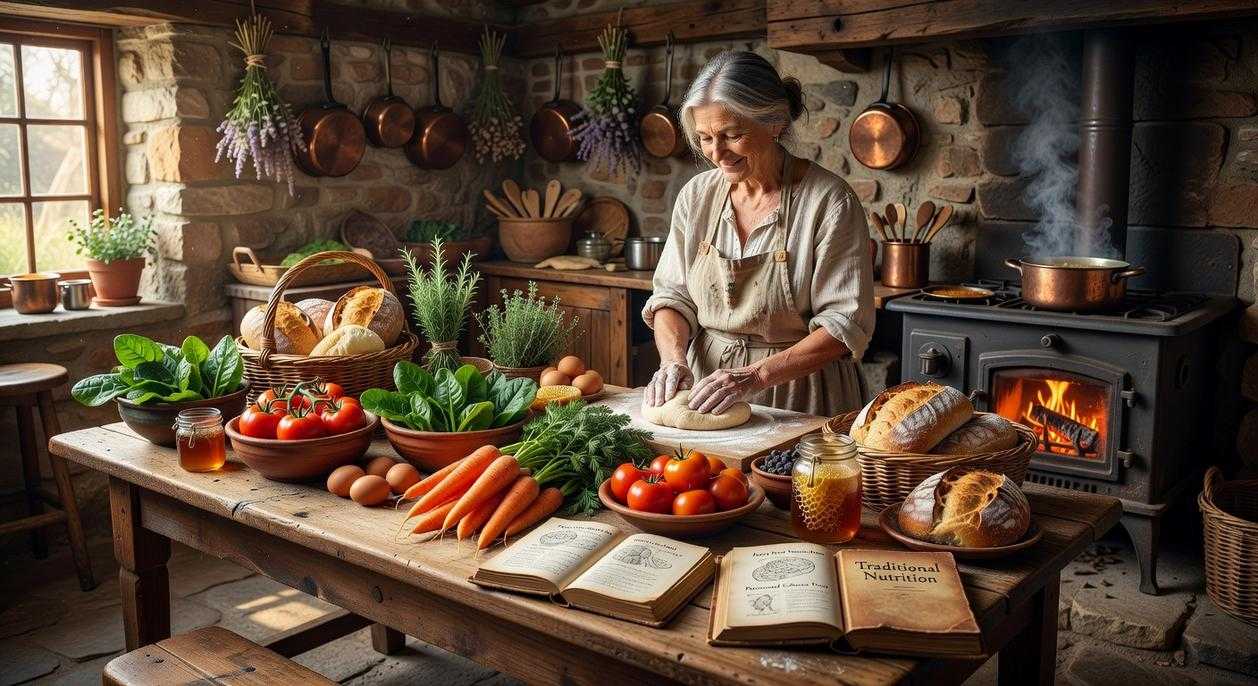
Your body knows the difference between real food and what comes in a box.
I’m not going to tell you that traditional diets are some magic cure. But I will tell you what happens when you eat the way humans ate for thousands of years.
Some nutritionists say it doesn’t matter where your calories come from. They’ll argue that a calorie is a calorie and your body processes everything the same way. They point to studies showing people lose weight on all kinds of diets.
Fair enough.
But here’s what they’re missing. Your immune system doesn’t run on calories alone. It runs on vitamins A, C, D, and zinc. The kind you get from organ meats, fermented foods, and vegetables that actually grew in soil (not a lab). In exploring the intricate relationship between nutrition and gaming performance, one cannot overlook the significance of “How Culture Affects Food Choices Roarcultable,” as it highlights how diverse culinary traditions shape our access to vital nutrients essential for maintaining a robust immune system.
When you eat this way, your body stops fighting itself.
Chronic inflammation drops. That low-grade fire burning inside you that leads to heart disease and diabetes? It calms down. Omega-3s from fish and grass-fed meat do that. So do the antioxidants in colorful vegetables.
Meanwhile, seed oils and processed sugars keep that fire burning.
I’ve watched people switch to traditional nutritions roarcultable approaches and see their energy stabilize within weeks. No more 3 PM crashes. No more needing coffee just to function.
That’s what complex carbohydrates and fiber do. They release energy slowly instead of dumping sugar into your bloodstream all at once.
Here’s what actually changes:
- Your blood sugar stops riding a roller coaster
- Your hormones start working the way they should
- Your body remembers how to regulate itself
That last one matters more than people think.
Healthy fats support hormone production. When you avoid the endocrine disruptors hiding in processed food packaging, your thyroid works better. Your stress hormones balance out. Your reproductive hormones stop going haywire. Which Culture Do I Belong to Roarcultable is where I take this idea even further.
Is traditional eating more work? Yes. Does it cost more sometimes? It can.
But you’re not just buying food. You’re buying the raw materials your body needs to function. And when you look at it that way, the choice gets pretty clear.
Your grandmother knew this already. Maybe it’s time we remembered how culture affects food choices roarcultable and what that means for our health.
Beyond the Body: Cultural and Mental Well-being
Your gut talks to your brain.
I’m not being poetic here. There’s actual communication happening between your digestive system and your mental state. Scientists call it the mind-gut axis (basically a two-way highway where your gut bacteria send signals that affect your mood and anxiety levels).
Here’s what that means for you.
When you eat traditional foods, you’re feeding the good bacteria in your gut. These microbes produce neurotransmitters like serotonin and GABA. The same chemicals that antidepressants try to regulate.
Research from UCLA shows that people who eat fermented foods and whole grains report lower anxiety scores than those on processed diets. Your grandmother’s kimchi or sauerkraut? That wasn’t just food. It was medicine.
But there’s more to it than chemistry.
When you cook your family’s recipes, you’re doing something that goes beyond nutrition. You’re connecting to who you are. Where you came from. The people who raised you.
I’ve watched friends light up when they talk about making their mom’s curry or their nonna’s pasta sauce. That’s not nostalgia talking. That’s identity. Community. Belonging.
And those things matter for mental health just as much as the food itself.
Now here’s the part most people miss.
When you prepare whole foods from scratch, you SLOW DOWN. You can’t rush chopping vegetables or simmering a stew. You’re present with what you’re doing.
That’s mindful eating by default.
You taste more. You notice when you’re full. You actually enjoy the meal instead of inhaling it while scrolling through your phone.
This approach shows up in traditional nutritions roarcultable practices across cultures. The Japanese concept of hara hachi bu (eat until you’re 80% full). The Mediterranean habit of long, social meals. In a world where balance is key, just as traditional nutrition practices emphasize moderation through concepts like hara hachi bu, gamers can find a similar harmony in navigating the Roarcultable Latest Crypto Trends From Riproar, ensuring they stay informed without becoming overwhelmed.
Different cultures. Same wisdom.
Your body digests better when you’re relaxed. You eat less because you’re satisfied, not stuffed.
Your Path to Holistic Nourishment
I’ve shown you how traditional foods work at every level of your health.
From your cells to your mind to your connection with culture, these foods do more than fill your stomach. They rebuild what modern eating has broken down.
You’re tired of conflicting diet advice. I get it.
The confusion ends when you look backward instead of chasing the next trend. Time-tested wisdom beats fad diets because it’s proven over generations, not marketing cycles.
Traditional nutritions roarcultable works because your body recognizes these foods. Your gut microbiome thrives on them. Your ancestors ate this way and their biology is your biology.
Here’s what you do this week: Pick one traditional food and add it to your meals.
Make a simple bone broth. Buy some fermented vegetables. Cook a dish your grandmother would recognize.
Start there. One food. One week.
Your body will remember what real nourishment feels like.
 Draxian Quenvale is the kind of writer who genuinely cannot publish something without checking it twice. Maybe three times. They came to insights and analysis through years of hands-on work rather than theory, which means the things they writes about — Insights and Analysis, Cultural News and Insights, Emerging Trends Reporting, among other areas — are things they has actually tested, questioned, and revised opinions on more than once.
That shows in the work. Draxian's pieces tend to go a level deeper than most. Not in a way that becomes unreadable, but in a way that makes you realize you'd been missing something important. They has a habit of finding the detail that everybody else glosses over and making it the center of the story — which sounds simple, but takes a rare combination of curiosity and patience to pull off consistently. The writing never feels rushed. It feels like someone who sat with the subject long enough to actually understand it.
Outside of specific topics, what Draxian cares about most is whether the reader walks away with something useful. Not impressed. Not entertained. Useful. That's a harder bar to clear than it sounds, and they clears it more often than not — which is why readers tend to remember Draxian's articles long after they've forgotten the headline.
Draxian Quenvale is the kind of writer who genuinely cannot publish something without checking it twice. Maybe three times. They came to insights and analysis through years of hands-on work rather than theory, which means the things they writes about — Insights and Analysis, Cultural News and Insights, Emerging Trends Reporting, among other areas — are things they has actually tested, questioned, and revised opinions on more than once.
That shows in the work. Draxian's pieces tend to go a level deeper than most. Not in a way that becomes unreadable, but in a way that makes you realize you'd been missing something important. They has a habit of finding the detail that everybody else glosses over and making it the center of the story — which sounds simple, but takes a rare combination of curiosity and patience to pull off consistently. The writing never feels rushed. It feels like someone who sat with the subject long enough to actually understand it.
Outside of specific topics, what Draxian cares about most is whether the reader walks away with something useful. Not impressed. Not entertained. Useful. That's a harder bar to clear than it sounds, and they clears it more often than not — which is why readers tend to remember Draxian's articles long after they've forgotten the headline.